
Learning to surf for people who plan family trips around the weather
How a wave pool changes a family surf trip, and how to plan the day before, during and after around heat, storms and beginners.
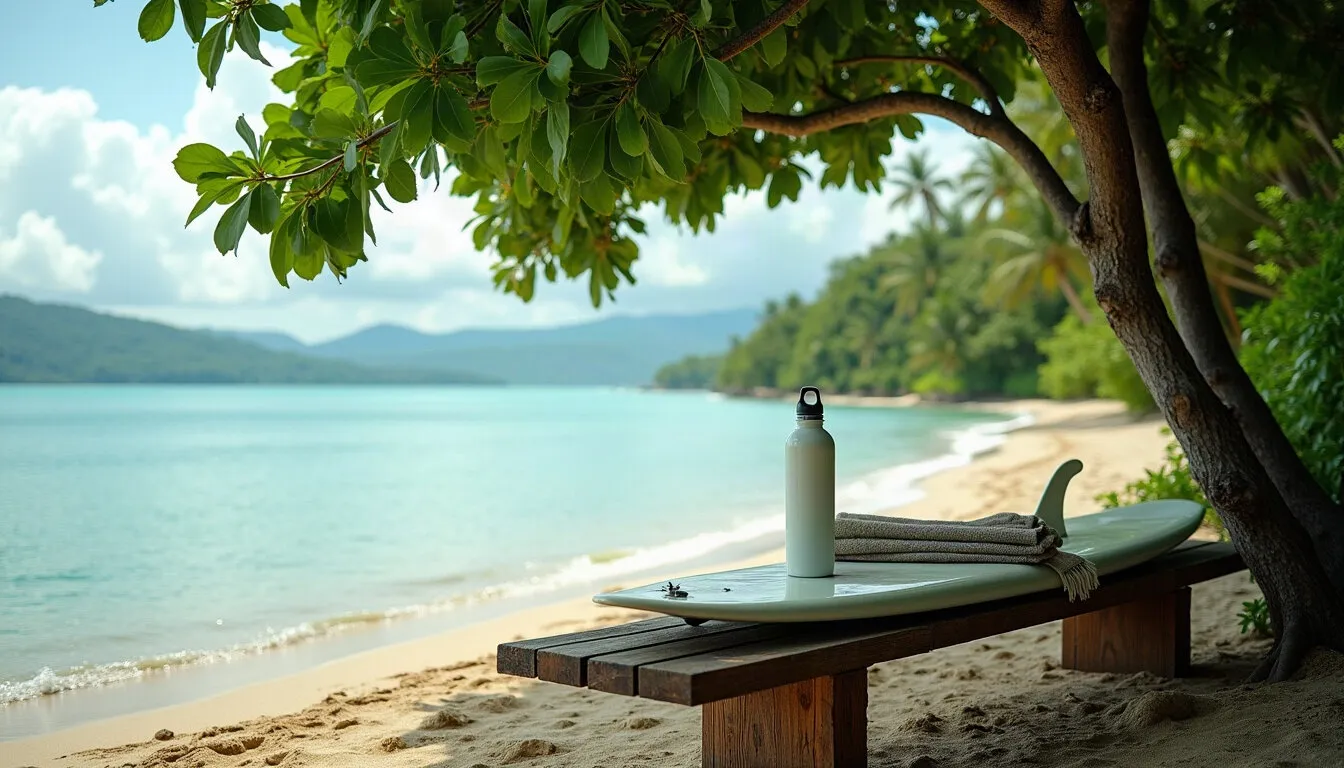
My planning notebook for any family trip has a page headed "weather backup", and it is always the most crossed-out page in the book. On the Kerala coast during the monsoon, the sea turns brown and loud, and the beach days I had pencilled in for the children simply dissolve.
Learning to surf runs into the same problem anywhere: the ocean decides. That is the appeal of a surf park like the wave pool Fellsmere visitors find inland from Florida's east coast, where the waves arrive on a schedule rather than with the swell. For an over-planner like me, that changes how you build a trip, and this piece is about planning one well: before, during and after.
Understand what a wave pool changes
I grew up thinking of waves as weather. You checked the sky, you watched the colour of the water, and some days you stayed on the sand no matter how far you had travelled. Anyone who has tried to teach a child to swim or surf on an open coast knows the feeling of waiting for conditions that never quite come.
A purpose-built wave pool removes that one big unknown. The waves are made rather than found, which means a beginner can practise on the same kind of wave again and again instead of guessing at the next set. For families with mixed abilities, that predictability is the whole point: the confident teenager and the nervous parent can both spend the day in the water.
What it does not remove is everything else that comes with a day outdoors. You still have sun, heat, humidity, tired children and a car journey at each end. The plan just shifts from "will there be waves?" to "how do we make the most of the time we have?"
Field marks
- repeatable waves, so beginners can practise one skill at a time
- a fixed setting you can plan a day around, rather than a swell forecast
- still an outdoor day, with sun, heat and weather to plan for
- a place where mixed-ability groups can share the same trip
Before: plan around the season, not just the date
The first rule of my notebook is to write the season down before the destination. In the hills I learned that the same road is a different road in the monsoon, and the same is true of a Florida summer. Central Florida is hot and humid for much of the year, and summer afternoons often bring thunderstorms that build quickly.
So I plan surf days the way I plan a forest walk: early. Morning sessions tend to be cooler and calmer, and they leave the afternoon free for rest if the clouds gather. Check the park's own pages for what they offer and how sessions are arranged rather than relying on old reviews or a friend's memory, because details like these change.
Then plan the people. Who in your group is a strong swimmer, who has never stood on a board, and who will want to watch from the shade? Writing that down early saves arguments at the car door. If someone in the family has a health condition that affects time in heat or water, a quick word with their own doctor before the trip is the sensible step.
| Option | Suits | Watch out for | Question to ask |
|---|---|---|---|
| Open ocean beach | experienced surfers who can read conditions | currents, changing swell, crowded breaks | What are conditions like today, and where is it safe? |
| Wave pool session | beginners, families, skill practice | heat and sun between sessions | What session suits our level? |
| Lessons with an instructor | first-timers and nervous adults | booking well ahead in busy months | What will a first session cover? |
| Watching from the shore | non-surfers in the group | long hours in strong sun | Where is the shade, and where can we refill water? |
During: pace the day like a hill walk
On a long walk through the cardamom estates, the people who enjoy it most are not the fastest; they are the ones who stop for water before they are thirsty. A surf day rewards the same habit. Paddling, falling and climbing back on is hard work, and Florida's heat adds to it.
Build breaks into the plan, not just into good intentions. Drink water regularly, eat something light between sessions and reapply sunscreen after time in the water. A long-sleeved rash top does a lot of the work that sunscreen alone cannot, especially for children who will not stand still long enough to be covered properly.
Keep the day's goal small for beginners. One clean ride standing up is a good first day. If a child is cold, frightened or simply finished, the best thing a plan can do is allow for stopping early without anyone feeling the trip was wasted.
Field marks
- water and shade breaks planned before anyone asks for them
- rash tops or sun shirts for everyone who will be in the water long
- one small, clear goal for each beginner
- an agreed signal for "I need a rest" that children can use
After: weather and the road home
The end of the day is where my plans most often come apart. In Kerala it is the bus that does not come because a landslip has closed the ghat road; in Florida it is more likely to be an afternoon storm or simple tiredness on the drive.
If thunder is heard, everyone should be out of the water and under proper shelter, and I follow whatever the staff on site direct. It is worth agreeing beforehand who drives home and making sure that person has had a proper rest, food and water, because a day in the sun is more tiring than it feels at the time.
Back at home or the hotel, rinse wetsuits, rash tops and towels in fresh water and hang them to dry in the shade rather than leaving them in a bag. Anyone who has opened a camera bag after a week of monsoon damp knows what a closed, wet bag does to fabric. A few minutes of care keeps everything ready for the next trip.
Field marks
- a clear plan for storms: out of the water and under shelter
- a rested driver for the road home
- gear rinsed in fresh water and dried in the shade
- notes on what worked, written while the day is still fresh
Keep the notebook going
I keep a page for each trip with three short lists: what worked, what I would change and what I forgot. After a surf day it usually reads something like "start earlier, bring more water, one more towel than you think". Those lists are the reason my plans get a little better each time, even when the weather page is still full of crossings-out.
For families who love the outdoors, a predictable wave is a gentle introduction to a sport that, on the open coast, can feel out of reach. It also leaves room for the rest of a Florida trip: a morning in the water, an afternoon looking for herons along a quiet canal or simply resting in the shade.
I also note who enjoyed what. Some trips reveal a child who wants to go back every weekend, others a parent who was happiest on the bench with a book. Neither is a failed plan. The notebook just helps the next trip fit the people in it a little better, which is all any itinerary can really do.
Before the next rains
If you are planning a surf day for the coming season, write down who is going, what each person wants from the day and what you will do if a storm rolls in, and check the park's own pages for how sessions work before you set out. Then pack the rash tops, the water bottles and one more towel than seems necessary.
The sea decides on the open coast; with a little planning, a day in a wave pool can be one of the few outdoor plans that goes almost exactly the way you wrote it.

Sneha Kurien
Sneha plans trips the slow way, with bus timetables, rain forecasts and too many homestay messages. She writes about seasons, getting around the hills and travelling with family.
More from the same habitat
What to pack for the Western Ghats
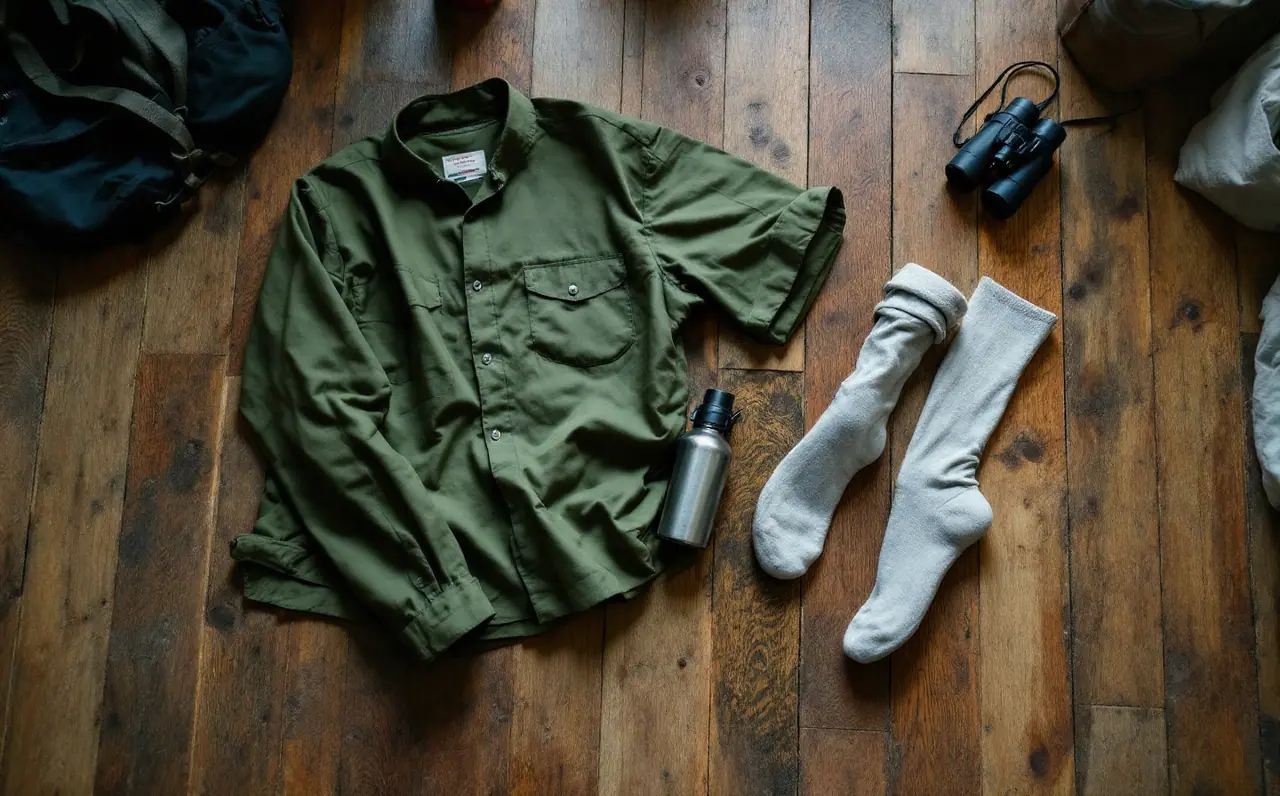
Muted clothes, leech socks, a rain shell, 8x42 binoculars and a dry bag for everything: a practical packing list for four days in the Kerala hills and forests.