
Home › Guides
Guide
Visiting Thekkady and Periyar: a planning guide
How to reach Thekkady and Kumily, the activities in and around Periyar, where to stay, day trips, a three-day plan and how to behave in the forest.
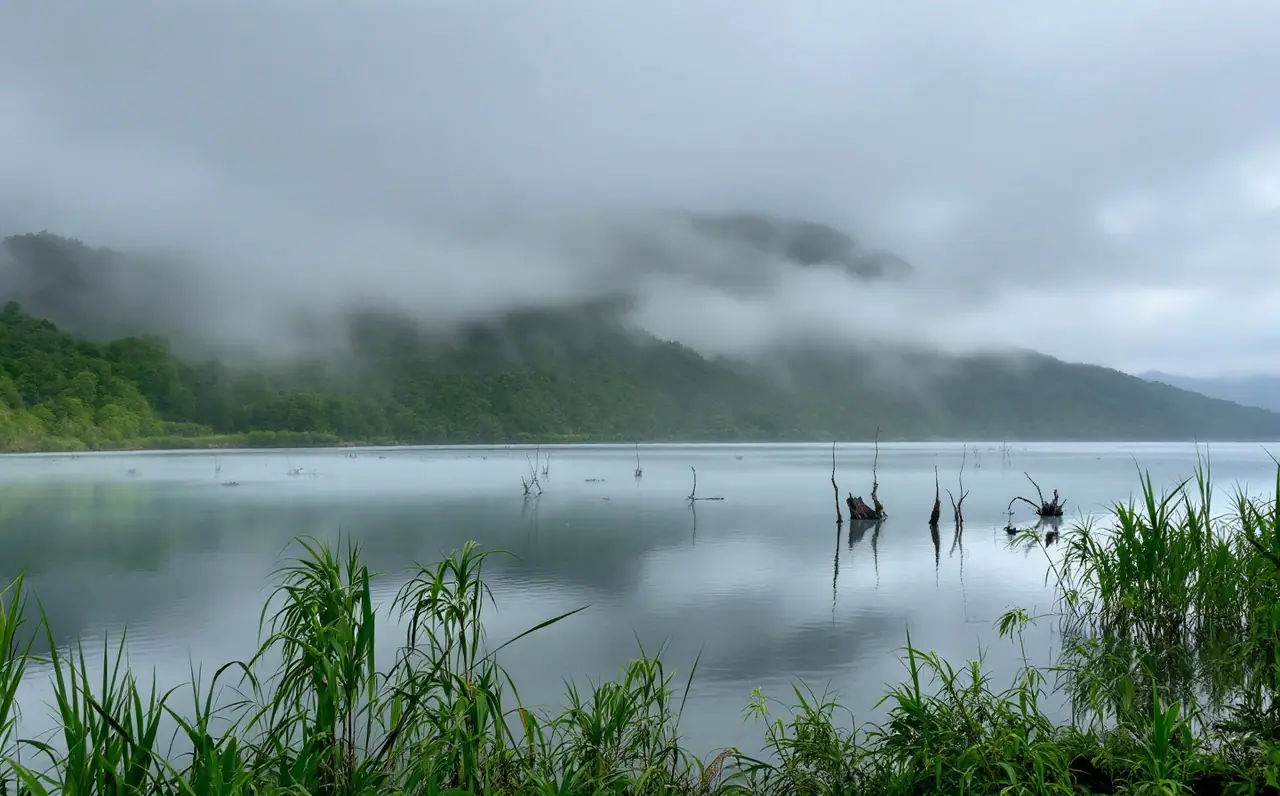
Thekkady is the name most travellers use for the edge of Periyar Tiger Reserve where the lake comes closest to a town. In practice you will stay in or around Kumily, a busy small town on the Kerala and Tamil Nadu border, and go into the reserve from there. Around both lie cardamom estates, pepper gardens, tea slopes further up, and a good many homestays.
This guide is the journal's outside view of how to plan a visit: getting there, how the town and the reserve fit together, the kinds of activities that exist, where to stay, what to do outside the forest, a sample three days and a few rules of conduct. We are travellers, not the reserve or any official body. Anything to do with timings, fees, age limits, group sizes or which programmes are running is set by the reserve and changes from season to season, so check the reserve's official website or the counter in Thekkady for current details before you plan around them.
Getting there
Thekkady sits high in the Cardamom Hills of Idukki district, and every approach ends with a climb on winding ghat roads. Road times below are rough ranges for a car in ordinary conditions. Add time for traffic in towns, weekend crowds, pilgrim season and heavy rain, and avoid driving the hill roads late at night if you can.
| Starting point | Typical road time to Kumily | Notes |
|---|---|---|
| Kochi (Cochin International Airport) | About 4 to 5 hours | The most common arrival for international travellers; the route climbs through Idukki district |
| Madurai airport (Tamil Nadu) | About 3.5 to 4.5 hours | Crosses the plains via Theni and Cumbum, then climbs the ghat to Kumily |
| Kottayam railway station | About 3 to 4 hours | The usual railhead on the Kerala side, on the line between Kochi and Thiruvananthapuram |
| Thiruvananthapuram airport | About 6 to 7 hours | Possible, but a long day on the road |
| Munnar | About 3 to 4 hours | Often combined with Thekkady on a hill circuit |
By bus
Kumily has a busy bus stand and is well connected for a hill town. Kerala State Road Transport Corporation (KSRTC) buses run from Kottayam, Ernakulam (Kochi), Thiruvananthapuram and other Kerala towns, and private buses fill many gaps. On the Tamil Nadu side, state transport buses run up from Madurai, Theni and Cumbum. Buses are cheap, frequent on the main routes and a good way to see the country, though slower than a car on the ghat sections. Timetables change, so check at the bus stand or on the operators' own sites close to your travel date.
Getting around once you are there
Kumily is small enough to walk, though the main road is busy. Autorickshaws and taxis are easy to find for trips to estates, viewpoints and homestays outside town. Many homestays arrange drivers for day trips. If you are driving yourself, go slowly at dawn and dusk on roads near the forest; elephants and gaur cross them.
Kumily and Thekkady: how the place fits together
Kumily town runs along the main road to the state border, with shops, spice sellers, restaurants, banks and the bus stand. The entrance to the reserve is at the edge of town. From the gate, a road runs a few kilometres through forest to the lake shore at Thekkady, where the boat landing is. Movement along that road, and inside the reserve generally, is controlled by the reserve, and arrangements for getting from the gate to the lake have changed over the years, so ask locally when you arrive.
Kumily sits right on the border: walk a short way along the main road and you are in Tamil Nadu, where the land drops steeply towards the plains around Cumbum. That border position shapes the town's food, its languages and its traffic.
What there is to do in and around the reserve
Several kinds of activity have long been offered inside Periyar. All run under the reserve's own rules, with timings, fees, age limits and group sizes set by the reserve and liable to change. Some are suspended in very heavy rain or for management reasons. Check the reserve's official website or the counter in Thekkady for what is running when you visit.
- Boat trips on the lake. The best-known way to see the reserve. From the water you look across bays and grassy shores where elephants, gaur, sambar and wild boar come to drink and graze, especially in the drier months. Early departures are generally the quietest.
- Guided nature walks. Short walks in the forest near Thekkady with a local guide, focused on birds, plants, tracks and signs rather than big animals.
- Community-run programmes. Periyar is known for treks, camps, bamboo rafting on the lake and border hikes run with eco-development committees, in which people from villages at the forest edge work as guides and trekkers. The journal's guide to community eco-tourism explains how these began and what published assessments say about them.
- Outside the reserve. Spice garden walks, plantation visits, cooking demonstrations, cultural performances and viewpoints on the surrounding hills are offered by private operators and homestays around Kumily.
Expect to walk in a group with a guide, keep to set routes, and follow every instruction. None of these programmes promises a tiger, and the forest is far more than a hunt for one.
Seasons in brief
The dry months, roughly December to March, bring clear mornings and the best chance of animals near the lake, with the busiest crowds around Christmas, New Year and Pongal in mid-January. April and May are warmer, with thunderstorms and school-holiday crowds. The south-west monsoon from June to September makes the forest intensely green, brings leeches and sometimes suspensions of activities. October and November bring storms in the afternoons, fresh forest and arriving migrant birds. The month-by-month detail is in the best time to visit Thekkady.
Two calendar points catch first-timers out. The Sabarimala pilgrim season, roughly mid-November to mid-January, fills the roads through Kumily. And long weekends and festivals across south India fill rooms fast.
Where to stay
The broad choice is between town, estate and forest edge. Kumily town is practical: walk to the reserve gate, the bus stand and restaurants, at the cost of traffic noise and festival loudspeakers. Estate homestays out on the cardamom slopes are quieter, greener and better for birds, but you will need transport and patience on steep drives. Places right at the forest edge feel closest to the wild, with the trade-off of fewer facilities and more chance of elephants in the garden at night. The full comparison, with questions to ask before you pay, is in choosing a homestay in spice country.
Plantations around Kumily
The country around Kumily is one of the main cardamom-growing areas of India. Small cardamom grows as leafy clumps under shade trees on the slopes, with the pods borne on stems near the ground; pepper vines climb the shade trees and posts; tea takes over on higher, cooler ground towards Vandiperiyar and Peermade. A walk on a working estate, with someone who farms it, teaches more than any spice shop. Ask what shade trees they keep, how often they pick and how they dry the crop. Stay on paths, and do not wander onto private land uninvited.
Day trips and side trips
- Vandanmedu and the cardamom country north of Kumily: rolling estates, drying sheds and quiet roads.
- Ramakkalmedu and the border viewpoints: windy ridges looking east over the Tamil Nadu plains.
- Munnar or Vagamon: Munnar for high tea country and Nilgiri tahr at Eravikulam, Vagamon for pine woods and open meadows. Munnar is better as an overnight than a day trip; the comparison is in Munnar or Vagamon from Thekkady.
- Cumbum valley: down the ghat on the Tamil Nadu side, with grape gardens, coconut groves and a very different, drier country.
A sample three days
This is a pattern rather than a schedule. Fit reserve activities around whatever timings are current when you arrive.
Day one
- Afternoon: arrive in Kumily, settle in, walk the main road and the spice shops.
- Late afternoon: a slow walk on an estate road near your homestay, listening for hornbills and barbets.
- Evening: early dinner, check what is running in the reserve the next day and set an alarm.
Day two
- Dawn: first activity in the reserve, ideally a lake trip or a guided walk in the early slot, when animals are active and crowds are thin.
- Late morning: breakfast, then a spice garden or plantation visit.
- Afternoon: rest through the heat or rain; read a field guide on the veranda.
- Late afternoon: a second, shorter outing, or watch birds from a garden or viewpoint as darters and cormorants return to the lake.
Day three
- Early morning: a community-run trek or nature walk, if one is running and suits your fitness.
- Midday: drive to Vandanmedu or a border viewpoint, with lunch on the way.
- Evening: pack, settle up, and move on to Munnar or Vagamon the next morning rather than late at night.
Packing in short
Muted, quick-drying clothes with long sleeves and trousers, leech socks for the wet months, trail shoes with grip, a light rain shell, a warm layer for cool mornings, binoculars (8x42 is a comfortable choice), a refillable water bottle, a small dry bag for phone and documents, and a head torch for power cuts. The journal's field kit page has the full list with quantities.
Conduct in and around the reserve
- Follow every instruction from the reserve's guides and staff, immediately.
- Keep voices low, phones silent and colours muted. Sound carries over water.
- Never feed animals, including monkeys at the roadside and elephants near roads.
- No flash photography of wildlife, and no pressing a guide or boatman to go closer.
- Take all rubbish out with you; plastic is restricted inside the reserve, so check the current rules.
- Stay on paths, and stay out of plantations and farms without permission.
- Dress modestly around temples, churches and mosques, and around Sabarimala pilgrims, who travel under strict vows.
- Leeches, snakes, heat and slippery paths are part of the forest. Use common sense, follow your guide and see a doctor if a bite, wound or illness worries you.
The best single piece of planning advice is to leave room. One unscheduled morning lets you go back to the lake at first light if the previous day was rained out, and the first hour after dawn is when Thekkady is at its calmest in any season.