Spice & Tea Country
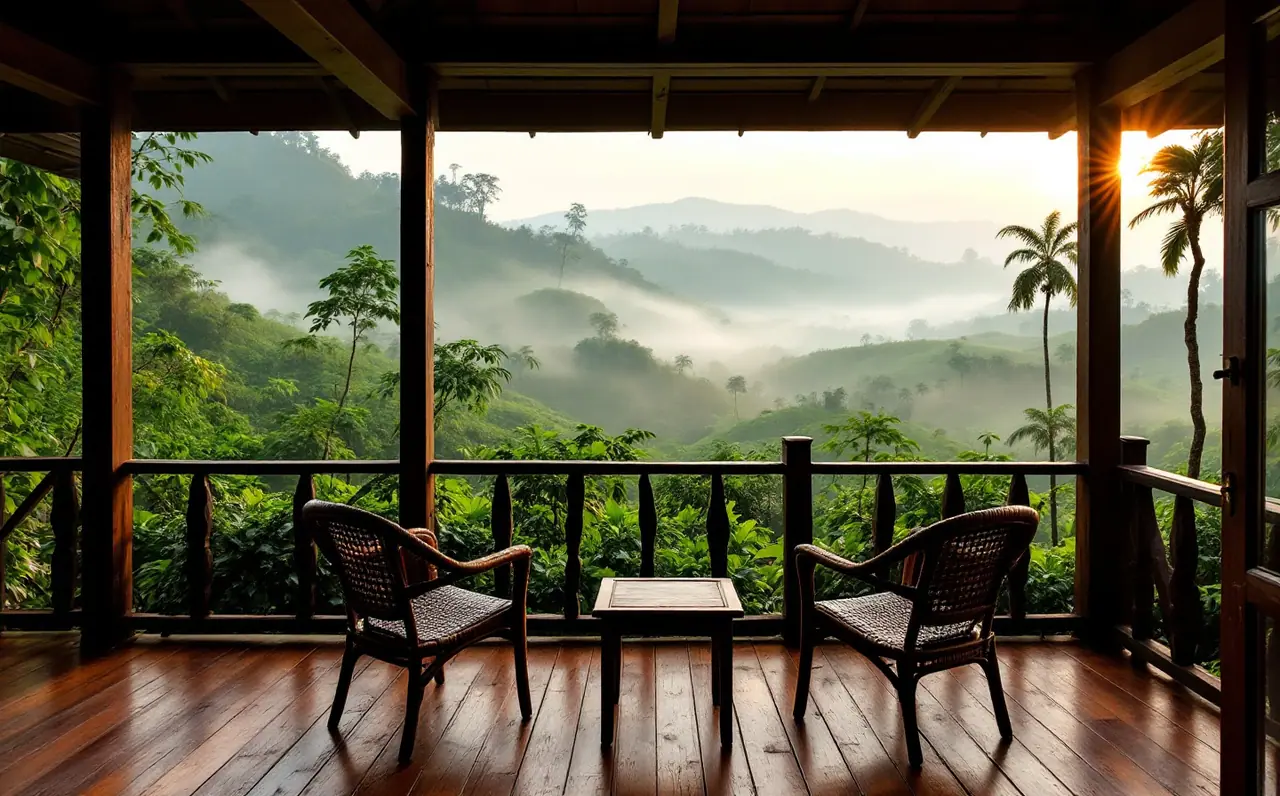
Choosing a homestay in spice country, from Kumily to the estates
Town, estate or forest edge: how to pick a homestay around Thekkady, Kumily and Vandanmedu, what to ask before you pay, and how to be a good guest.
Periyar · Thekkady · the Cardamom Hills
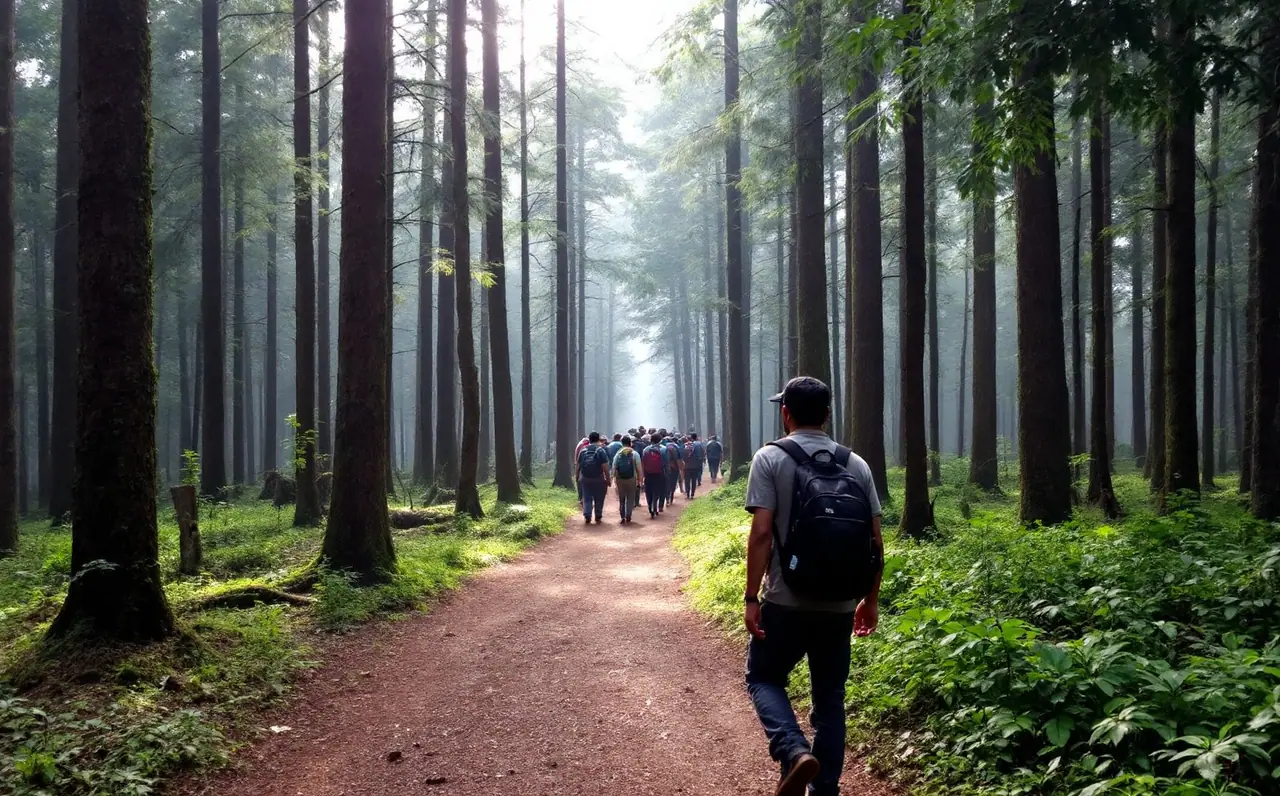
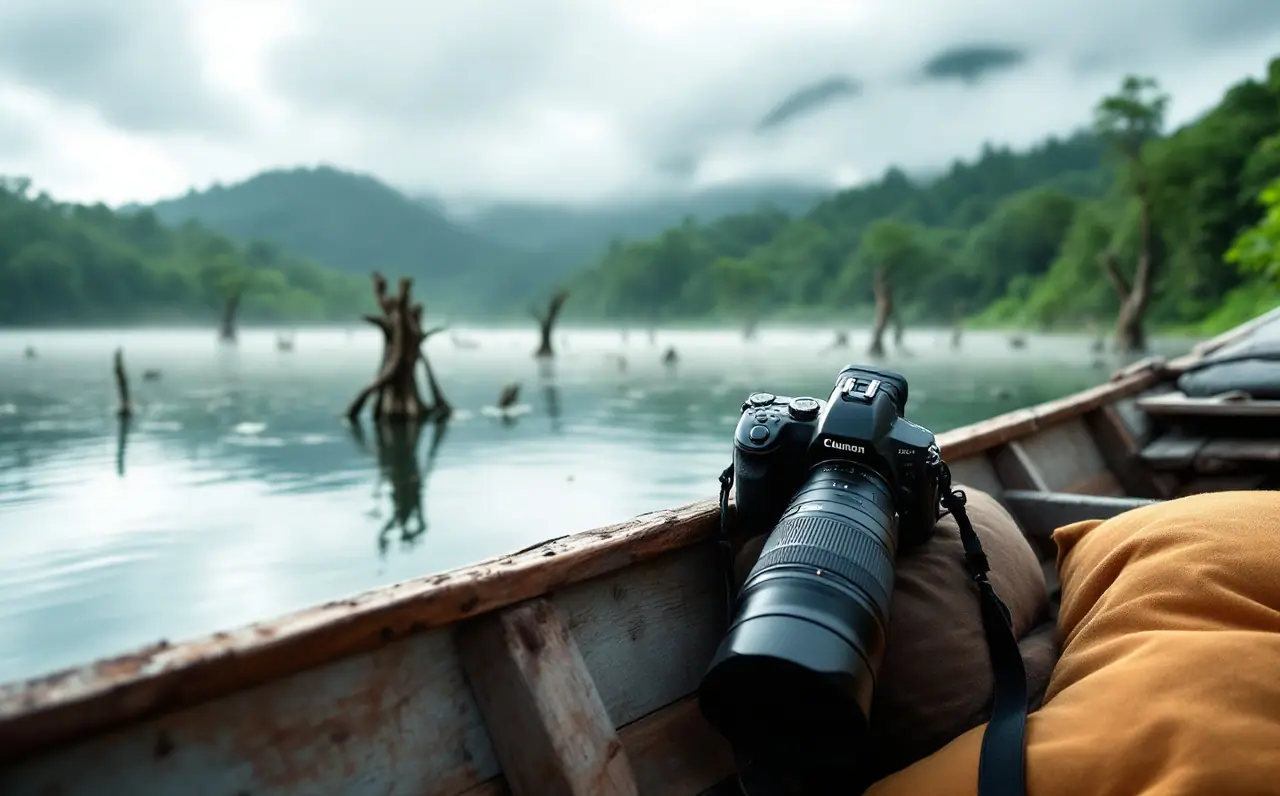
Cardamom Hills Journal is about one corner of India's southern Western Ghats: the drowned-tree lake at Periyar, the evergreen hills around it, the animals and birds that live there and the spice country that begins where the forest ends. We write as travellers and readers, for anyone who wants to see it well and leave it as they found it.
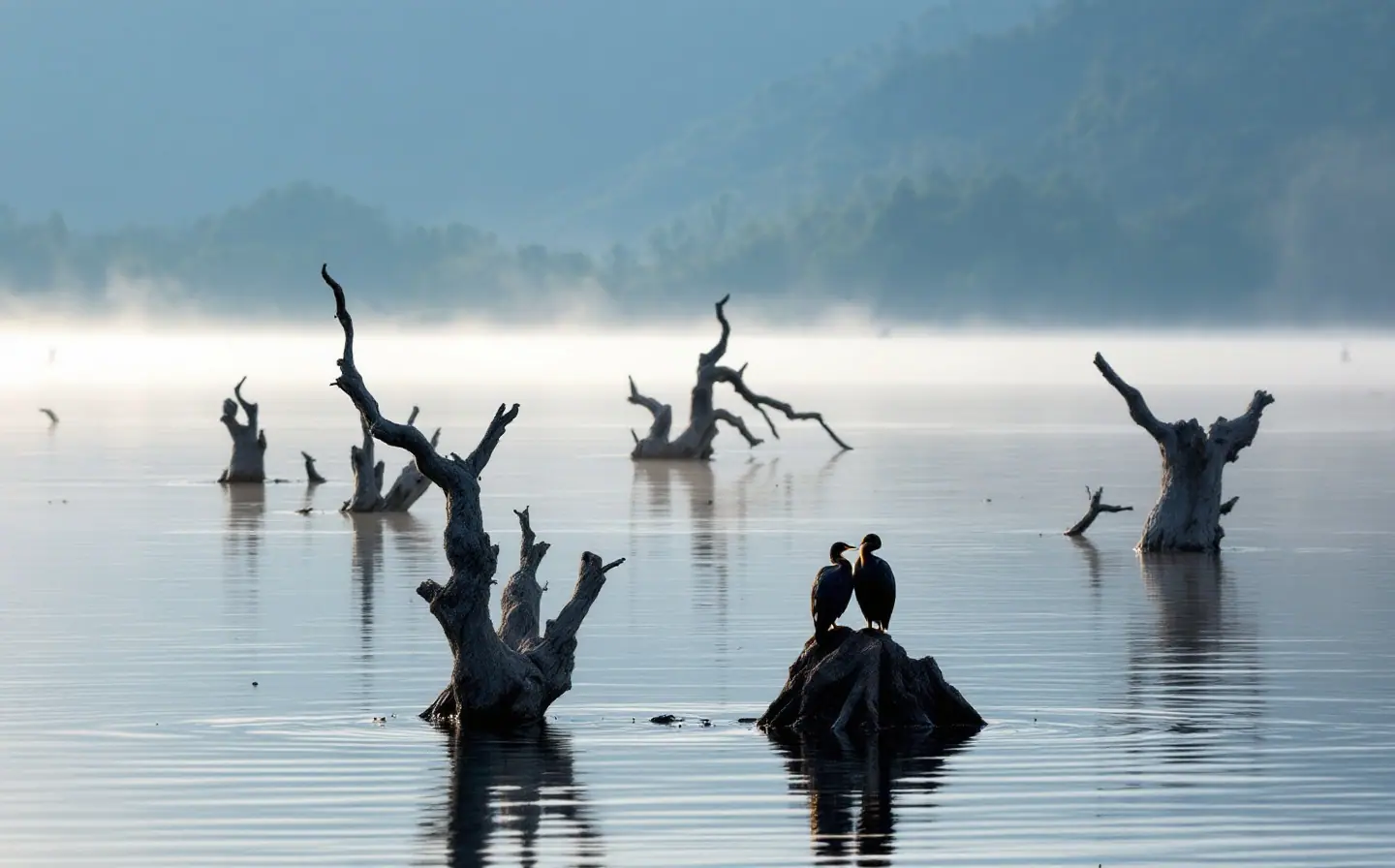
The Periyar forests sit on the Cardamom Hills and the Pandalam Hills, where Kerala meets Tamil Nadu. Most of the forest drains into the Periyar river and the rest into the Pamba, and the protected area reaches across parts of Idukki, Kottayam and Pathanamthitta districts. Thekkady and the market town of Kumily are where most visitors arrive. Pick a way in below.
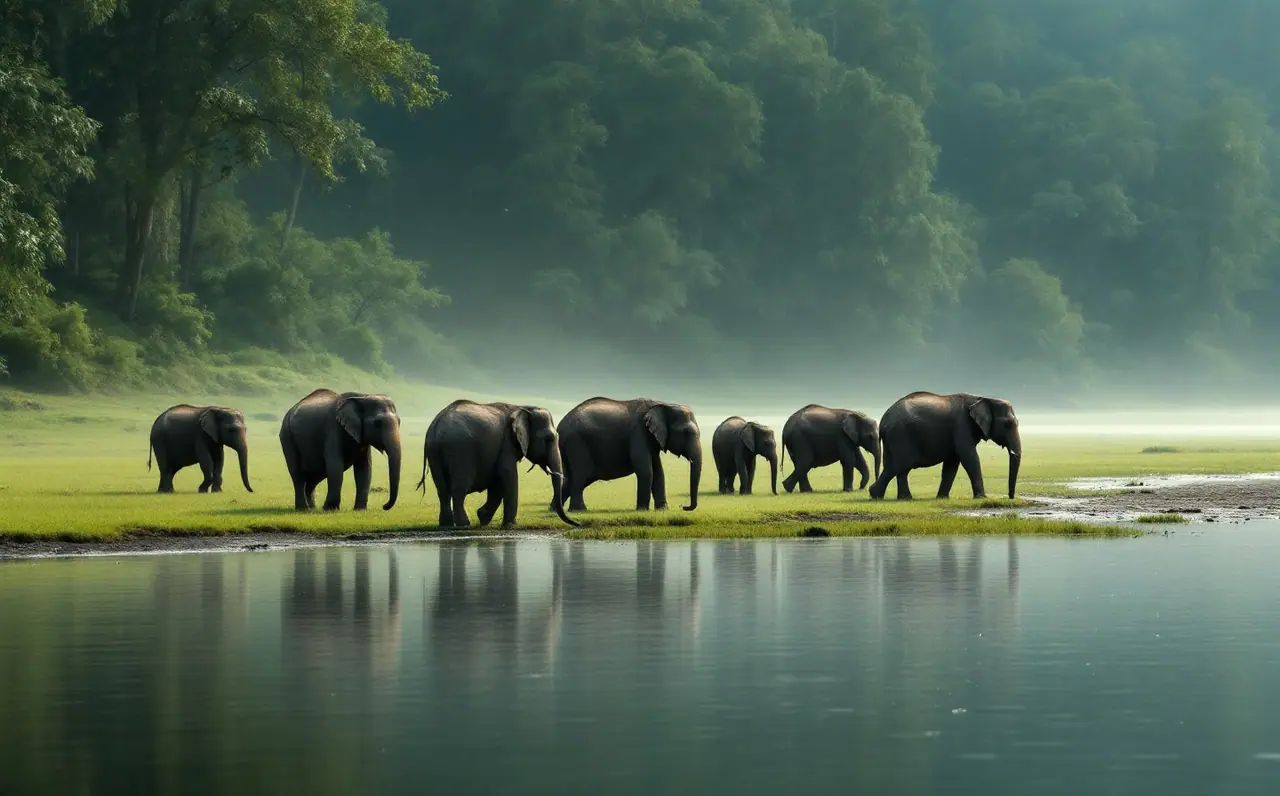 WildlifeElephants on the lake shore, tahr on the high cliffs, gaur in the clearings and the tigers almost nobody sees.
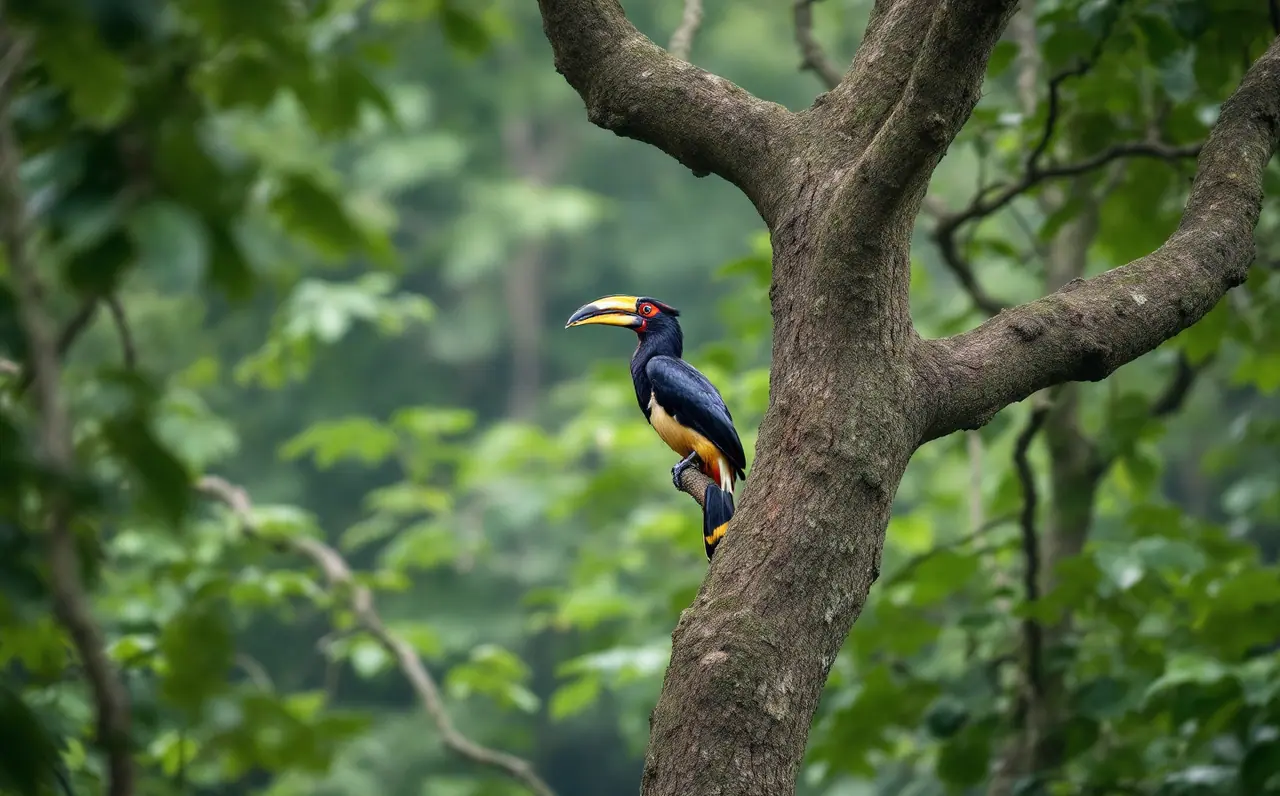 Birds and butterfliesHornbills, trogons, winter migrants and the birdwings that drift over forest streams after the rains.
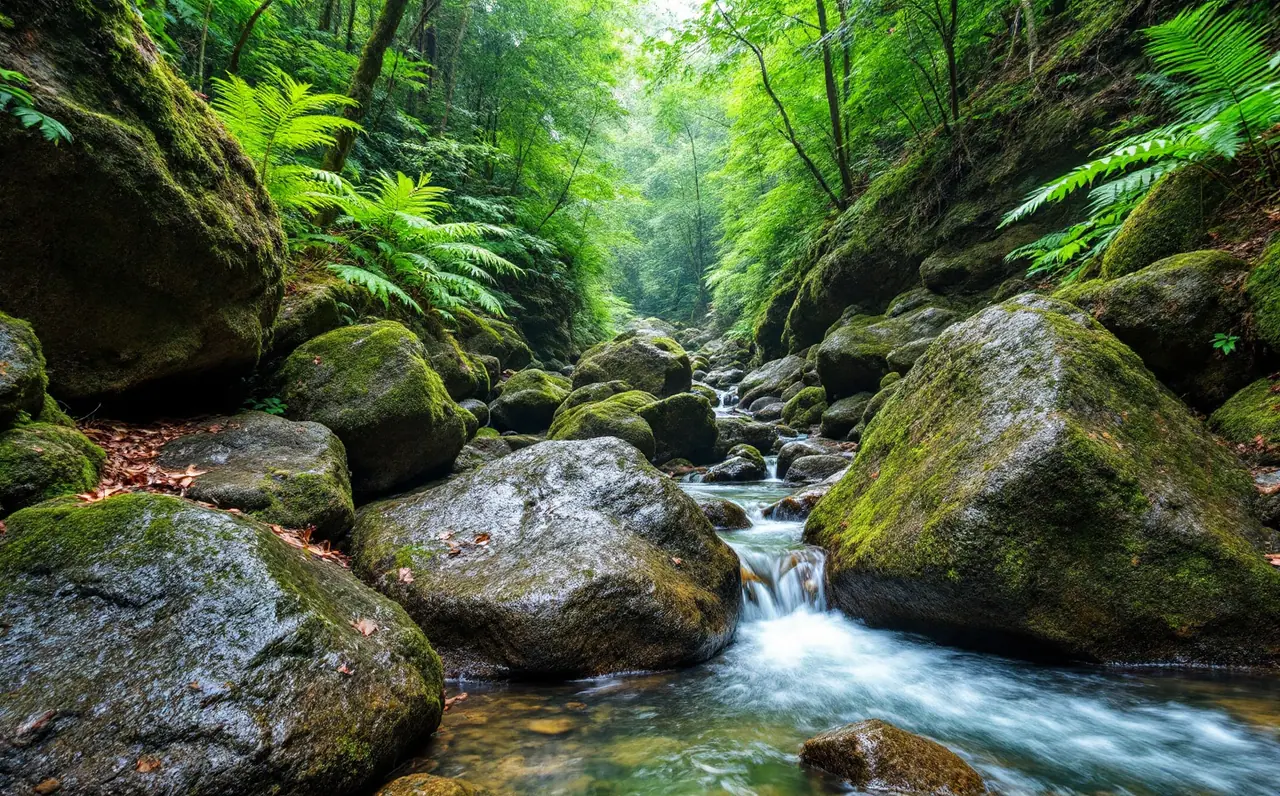 Forests and riversEvergreen forest in layers, shola and grassland on the ridges, and the river that fills the lake.
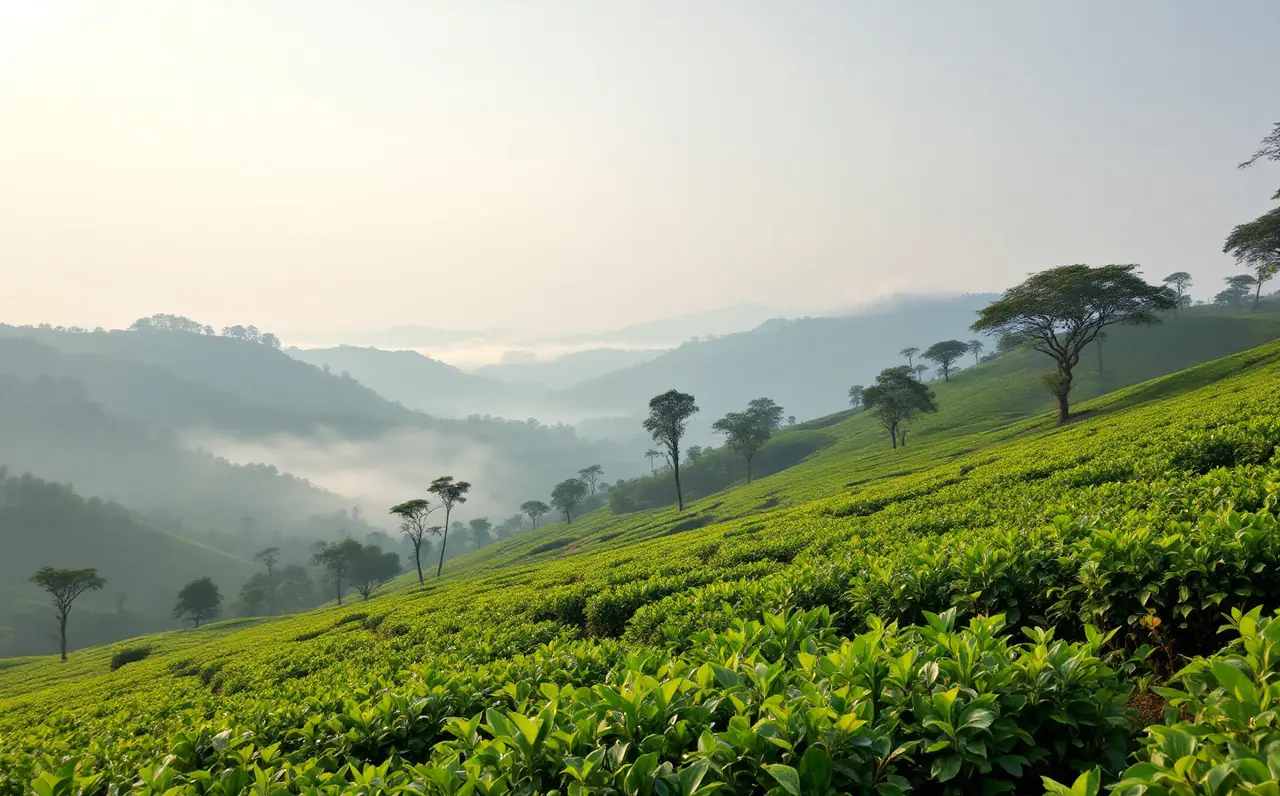
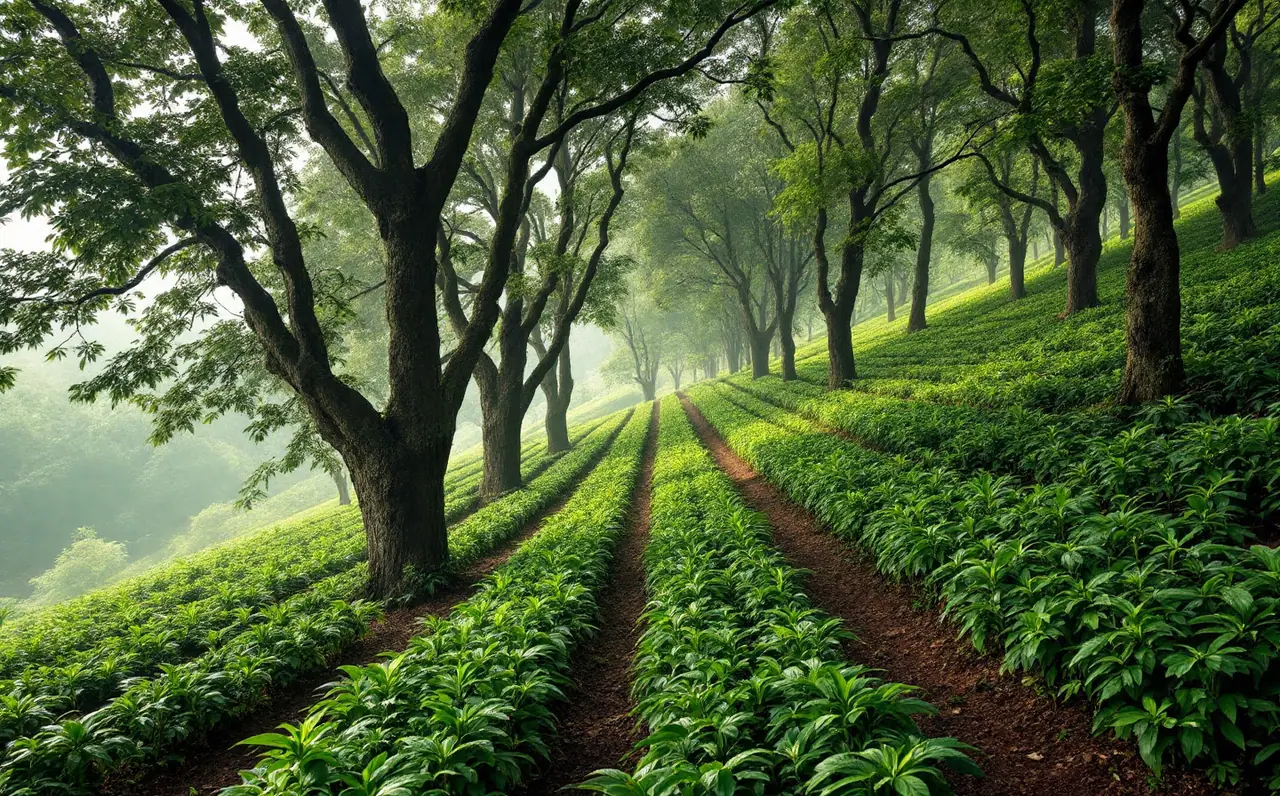 Spice and tea countryCardamom under the shade trees, pepper on the trunks, tea on the higher slopes and the towns between.
 A short historyFrom the dam of 1895 and the old game sanctuary to the tiger reserve, told by outsiders who read the record.
 Planning a visitGetting to Kumily, choosing a season, finding a room and spending three unhurried days.
 Community eco-tourismHow forest-edge villages became part of the tourism around Periyar, explained from the outside.
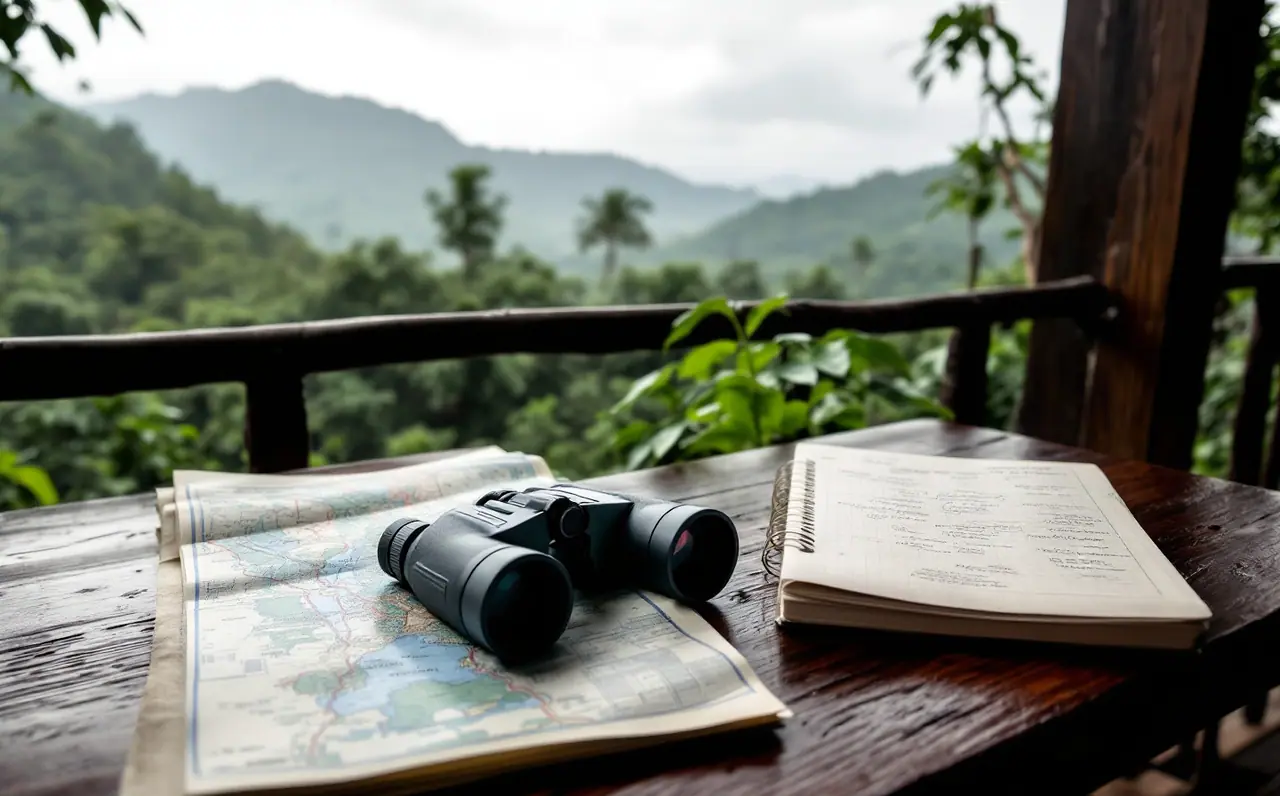 The field kitWhat goes in the bag for leeches, rain and long mornings with binoculars, and where to find it.
Boat trips on the lake, guided walks and the community-run programmes around the reserve all keep their own timings and rules, and those change with the season. We do not sell or arrange any of them. What we can do is help with the rest: which months suit you, how to get to Kumily by road or rail, where to stay, what to pack and how to behave around elephants, monkeys and each other.
Evergreen and semi-evergreen forest, moist deciduous woodland, grassland and marsh sit close together here, which is why the species lists are so long. Published checklists for the reserve run to around two thousand flowering plants, several hundred birds and more than sixty mammals, a good share of them found only in the Western Ghats. The wildlife overview sorts them out; the notes below go deeper.
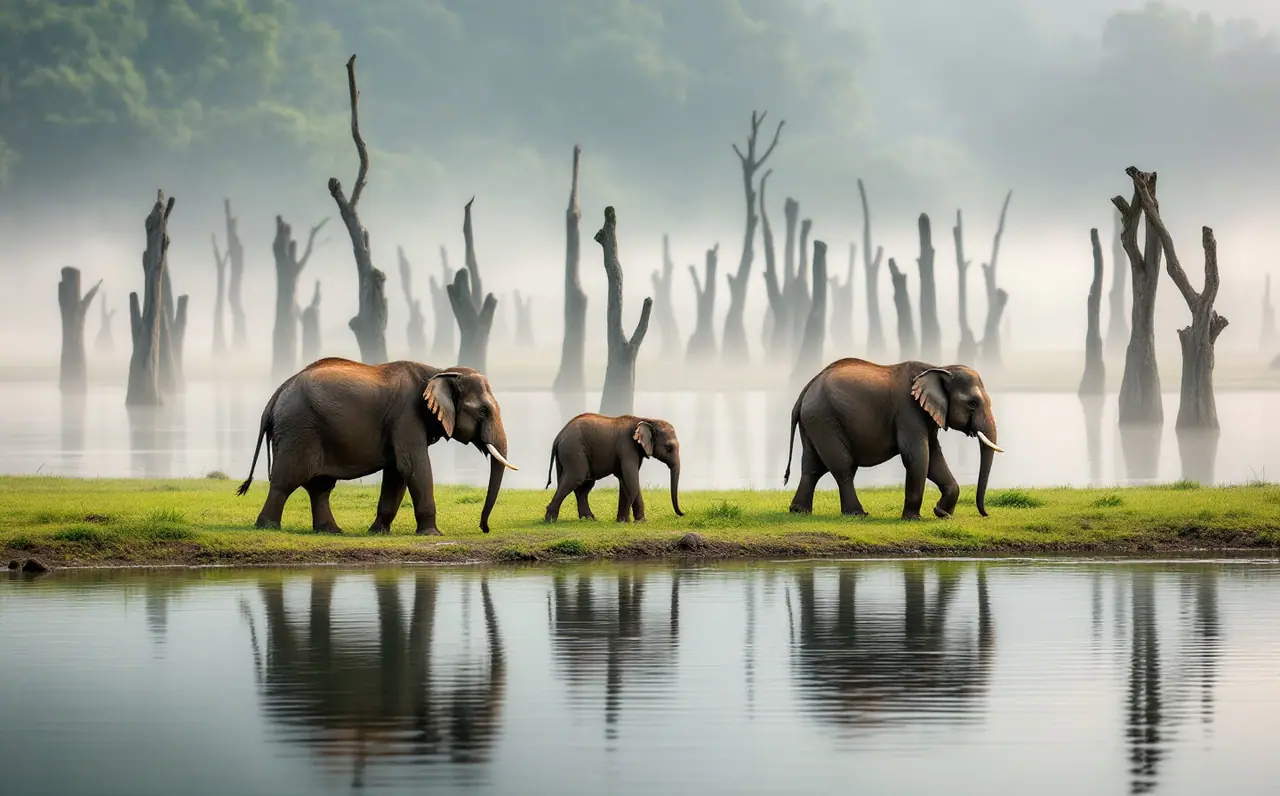 Watching elephants at Periyar, from the lake shore to the forest edge
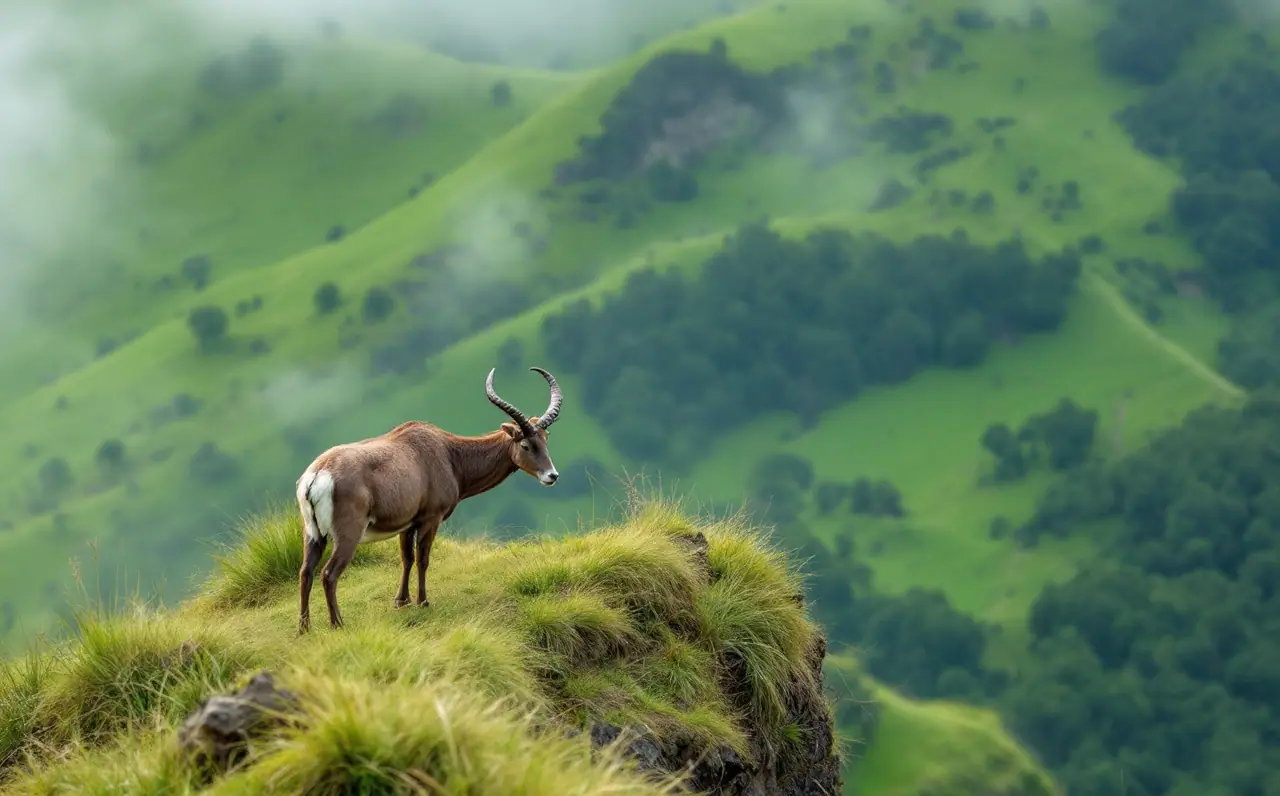 Nilgiri tahr and the shola grasslands of the high hills
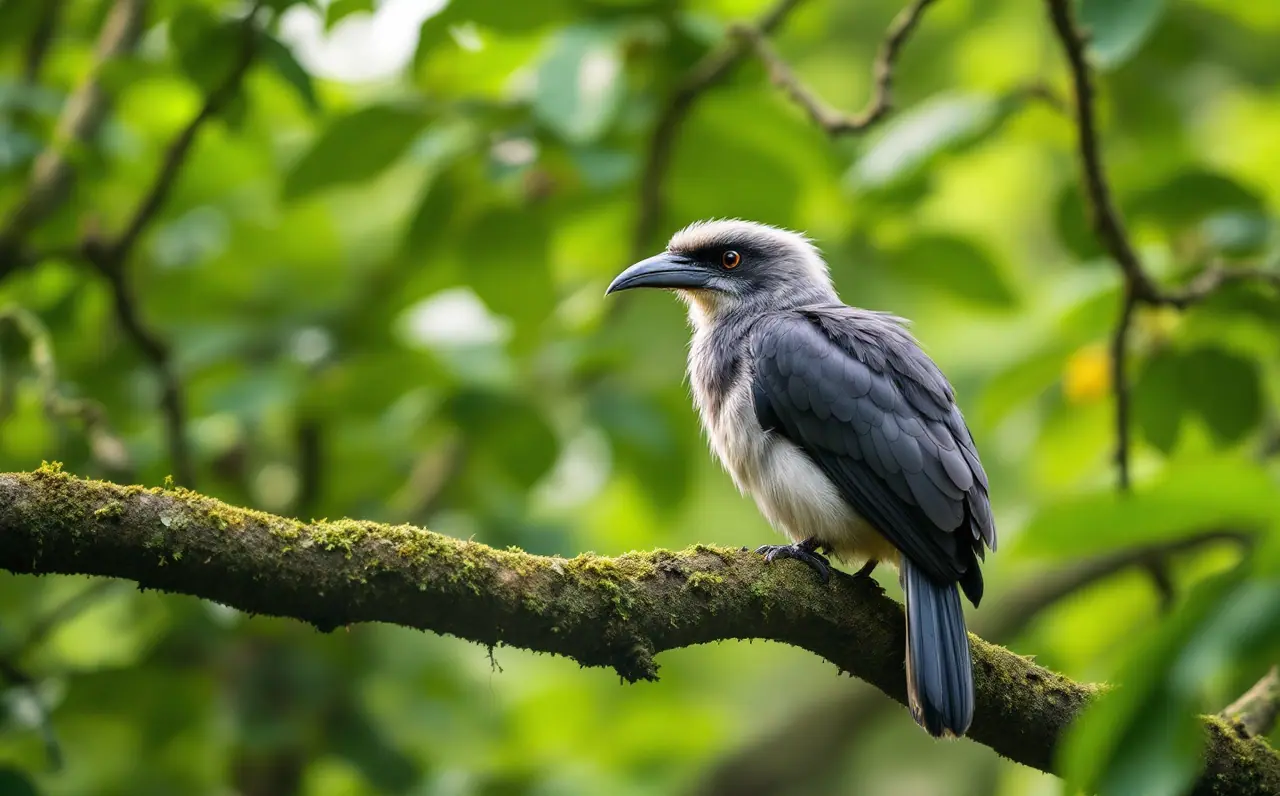 Birding around Thekkady for beginners
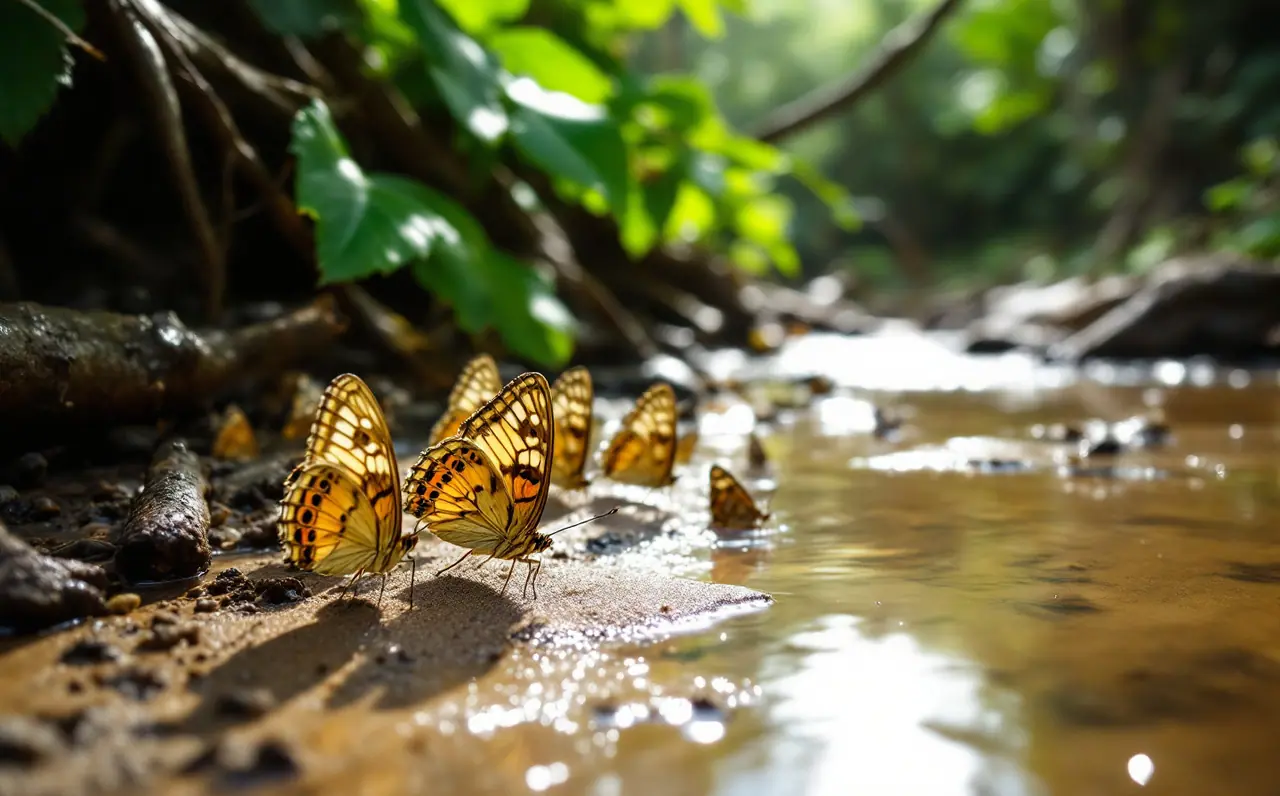 A starter list of butterflies in the southern Western Ghats
 Tigers of Periyar and what the monitoring shows
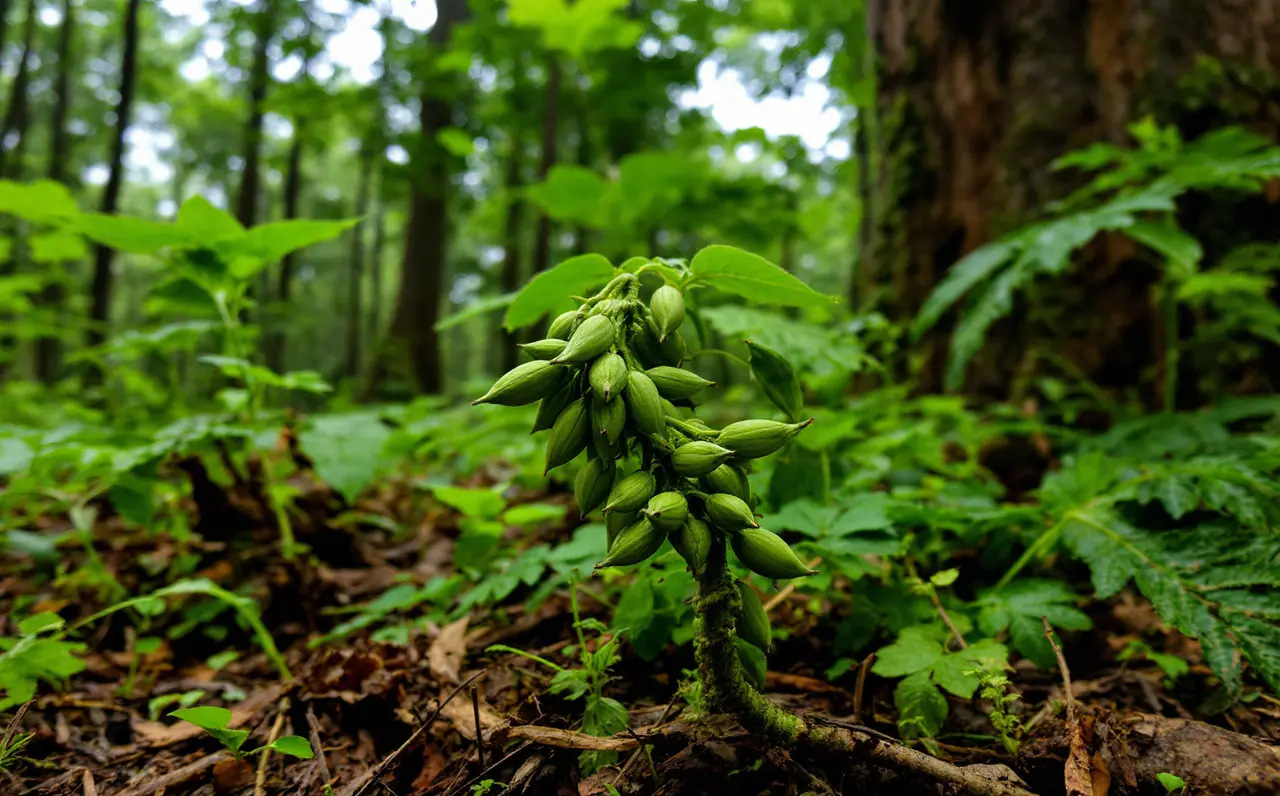 Cardamom, pepper and tea around Kumily: how to read the plantations
Town, estate or forest edge: how to pick a homestay around Thekkady, Kumily and Vandanmedu, what to ask before you pay, and how to be a good guest.
Plain rules of thumb for watching wildlife in Indian forests and reserves: distance, noise, food, night lights, bird calls, geotags and elephants on the road.
A plain-language tour of published research on Periyar: its plants, fish, elephants and tigers, the people at the forest edge and the weeds creeping into its edges.
Camera settings, focus habits and lens care for photographing birds and animals under a dark evergreen canopy and from a boat on a humid Western Ghats lake.
Tea slopes and Nilgiri tahr in busy Munnar, or pine woods and open meadows in quieter Vagamon. How to choose, with two-day plans and a side-by-side table.
How camera traps and India's four-yearly tiger estimate work, what they say about Periyar's tigers, and why most visitors never see one and still come home happy.