
Visiting ResponsiblyWider Outdoors
What to pack for the Western Ghats
Muted clothes, leech socks, a rain shell, 8x42 binoculars and a dry bag for everything: a practical packing list for four days in the Kerala hills and forests.
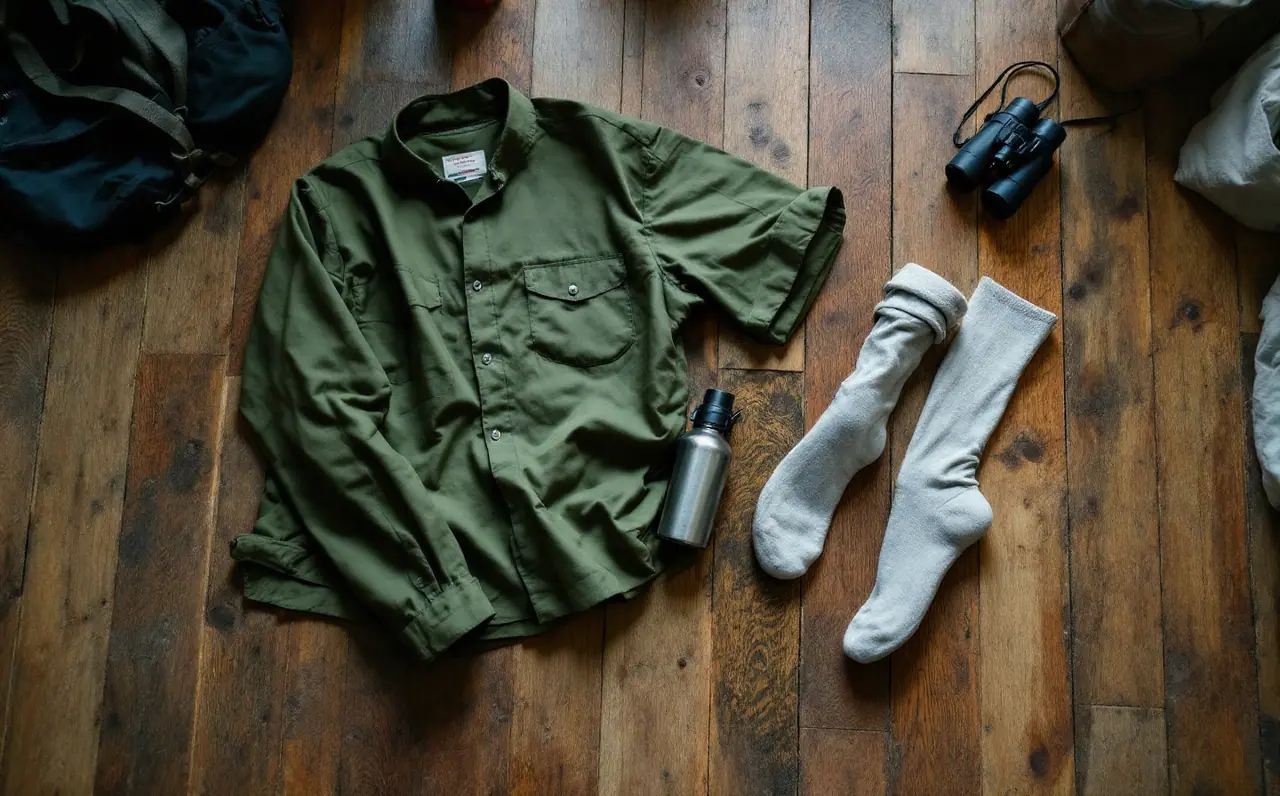
Most of what goes wrong on a trip to the Kerala hills is small. A cotton shirt that never dries, a pair of trainers that slide on wet laterite, binoculars fogged from the inside, a phone that drowned in a jacket pocket. None of it ruins a trip, but all of it costs you mornings, and mornings are what you came for. I have been carrying cameras around forests for a long time, and my packing has become less about adding things and more about choosing the right few.
This list is built around four days in places like Thekkady, Munnar or Vagamon, with forest walks, a lake outing, plantation roads and cool hill evenings. Adjust for the season. The monsoon months need more rain kit and more spares, the dry months more sun protection and water.
Clothing: muted, quick to dry, and in layers
Colour matters more than people expect. Bright white, red, yellow and neon shades stand out in green forest and make animals wary long before you see them. Olive, khaki, brown, dull grey and dark green all work. This is also a matter of courtesy, since a group in muted clothes disturbs wildlife less for everyone on the walk.
Fabric matters even more. In humid forest, cotton soaks up sweat and rain and stays wet. Synthetic or blended quick-dry shirts and trousers dry overnight on a hanger, which cotton often will not. Long sleeves and full-length trousers protect against sun, scratches, insect bites and leeches, and they are more comfortable than they sound in shade.
The hills are cooler than the coast. Evenings in Munnar or on the higher ridges can feel properly chilly, especially in the dry winter months, so carry one warm mid-layer such as a light fleece. Nights in Kumily and Thekkady are milder but still pleasant with a long-sleeved top.
Leech socks and what goes on your feet
Leeches are part of life on the forest floor in the wet months and for a while after. They are mostly a nuisance rather than a danger, but they find gaps. Leech socks are tall socks of tightly woven cloth worn over your normal socks and pulled up over the bottoms of your trousers, then tied below the knee. Leeches struggle to get through the weave and are easier to spot and flick off against the pale cloth. Some walks in the region provide them, but owning a pair means they fit and are dry when you need them. If you are bitten, the bite may keep bleeding for a while. Clean it, cover it, and see a doctor if it looks infected later.
Footwear needs grip above all. Forest paths are often wet clay, roots and moss-covered rock. A light hiking shoe or trail shoe with a deep lug sole is enough for most guided walks. Heavy boots are rarely necessary and take days to dry. Pack a pair of sandals or slip-ons for the evenings and for drying out your feet.
Rain shell or umbrella
I carry both, for different jobs. A light, breathable rain shell with a hood keeps your hands free on a walk and packs small. An umbrella is better in town, on a veranda, or when you are standing still at a viewpoint, and it keeps a camera much drier while you shoot than a hood ever will. On a forest walk an umbrella snags on branches and makes noise, so it stays in the bag. In the monsoon a poncho that covers your pack is worth considering too. There is more on the wet months in monsoon in the Cardamom Hills.
Dry bags and humidity
The humidity in the Western Ghats gets into everything. Roll-top dry bags in two or three sizes keep clothes, documents and electronics separated and dry, even if your daypack is soaked. A large one for spare clothes, a medium one for camera gear and a small one for phone, cash and passport covers most trips.
For cameras and binoculars, I add a few sachets of silica gel inside the dry bag and leave the bag sealed when moving from an air-conditioned room into warm outdoor air. That avoids the worst of the condensation on lenses. Give gear time to warm up before opening the bag.
Binoculars: what 8x42 and 10x42 mean
Binoculars are the single most useful thing to bring for wildlife, more than a long camera lens. The two numbers on them are simple. The first is magnification: 8x makes an object look eight times closer. The second is the diameter of each front lens in millimetres, which governs how much light comes in. So 8x42 means eight times magnification with 42 mm lenses, and 10x42 means ten times with the same lenses.
For forest birding, 8x is easier for most people, for three reasons:
- A wider field of view, so finding a bird that just moved in the leaves is quicker.
- A brighter image in dim light, because the same 42 mm of glass is spread over less magnification.
- Less visible shake, which matters when you have been walking uphill and your hands are not quite steady.
10x shows more detail and suits open country, lakes and grassland where birds are farther away. If you are buying your first pair for trips like this, 8x42 is the comfortable choice. Waterproof, nitrogen-filled binoculars cope far better with humid air than older models that are not sealed. Arjun's guide to birding around Thekkady explains what to point them at.
Field guides worth the weight
Apps are useful, but a printed field guide does not need a signal or a charged battery, and it teaches you how birds relate to each other in a way a search box does not. Three titles come up again and again among people who watch birds and butterflies in India:
- "Birds of the Indian Subcontinent" by Richard Grimmett, Carol Inskipp and Tim Inskipp. The standard illustrated field guide for the region, with plates and range maps.
- "The Book of Indian Birds" by Salim Ali. Older and less complete for identification, but generations of Indian birders started with it, and its descriptions of behaviour are a pleasure to read.
- "The Book of Indian Butterflies" by Isaac Kehimkar. A photographic guide that covers butterflies across India, including the Western Ghats species.
You do not need all three. One bird guide, plus the butterfly book if that interests you, is plenty.
Torch with a red mode
A small head torch is essential for early starts, power cuts and night walks. Choose one with a red light setting. Red light preserves your night vision and is less disturbing to animals than a white beam. On any night activity inside a protected area, follow the guide's instructions on lights, and never shine a bright torch into an animal's eyes.
Water and plastic
Carry a refillable bottle, steel or a sturdy reusable one, and plan on drinking more than you think in the warm months. Many homestays and hotels offer filtered water for refills. Forest areas in Kerala take a firm line on single-use plastic, so leave wrappers and plastic bottles behind where you can and carry a small cloth bag for any rubbish you do produce. Take everything out with you.
A small first-aid kit
Keep it light and basic, and talk to a doctor before the trip about anything specific to you: regular medicines, allergies, and whether you need any vaccinations or other precautions for travel in India. A simple kit might hold plasters, antiseptic wipes, a small roll of tape, oral rehydration sachets, any personal prescription medicines in their original packaging, and an insect repellent you have used before without trouble. A kit is for scrapes and minor upsets. For anything more serious, a fever after the trip, a deep cut, or an animal bite, see a doctor promptly.
Documents and insurance
Carry your identity documents, with photocopies or photos stored separately from the originals. Foreign visitors need their passport and visa, and many accommodation providers in India ask to see identification at check-in. Activities inside protected areas may also ask for ID, so carry it on the day.
Travel insurance is worth having for any outdoor trip. Read the policy wording for what it covers: medical treatment and evacuation, cancellation, and whether activities such as trekking or wildlife outings are included or excluded. Note the emergency contact number and keep a digital copy of the policy.
Four-day checklist with quantities
| Item | Quantity | Notes |
|---|---|---|
| Quick-dry shirts, long sleeves, muted colours | 3 | Wash one in the evening if needed |
| Quick-dry trousers | 2 | Full length for forest walks |
| Light fleece or warm mid-layer | 1 | Hill evenings and early starts |
| Underwear | 4 | Quick-dry if possible |
| Walking socks | 4 pairs | One extra pair in the daypack |
| Leech socks | 1 or 2 pairs | Two pairs in the monsoon |
| Trail shoes with grip | 1 pair | Worn on travel days to save space |
| Sandals or slip-ons | 1 pair | Evenings and drying feet |
| Rain shell with hood | 1 | Packable |
| Compact umbrella | 1 | Town, viewpoints, camera cover |
| Hat with a brim | 1 | Sun at the lake and in open country |
| Roll-top dry bags | 3 | Large, medium, small |
| Silica gel sachets | 4 to 6 | For camera and binocular bags |
| Binoculars, 8x42 | 1 pair | With neck strap and lens cloth |
| Field guide | 1 or 2 | Birds, plus butterflies if you want |
| Small notebook and pencil | 1 each | Pencil works in the rain |
| Head torch with red mode | 1 | Plus spare batteries or a charging cable |
| Refillable water bottle | 1 or 2 | About one litre each |
| Small cloth bag | 1 | For rubbish and odds and ends |
| Basic first-aid kit | 1 | See above, plus personal medicines |
| Sunscreen and insect repellent | 1 each | Small travel sizes |
| Phone, charger, power bank | 1 each | Power cuts happen in the hills |
| ID, copies, insurance details | 1 set | In the small dry bag |
The thing most people forget
One spare large waterproof sack for the trip home. After four days of humid forest, everything in your bag will be slightly damp, and wet clothes sealed in a suitcase for a long bus or train ride come out smelling of it. Keep the wet things apart from the dry ones, and dry the camera bag and binocular strap fully once you are home, or mould will find them. For longer gear notes, the field kit page collects what this site recommends in general terms.

Rohan Varghese
Rohan photographs forests and the animals in them as a long-running hobby. He writes about cameras in humid weather, packing, ethical viewing and keeping notes in the field.
More from the same habitat
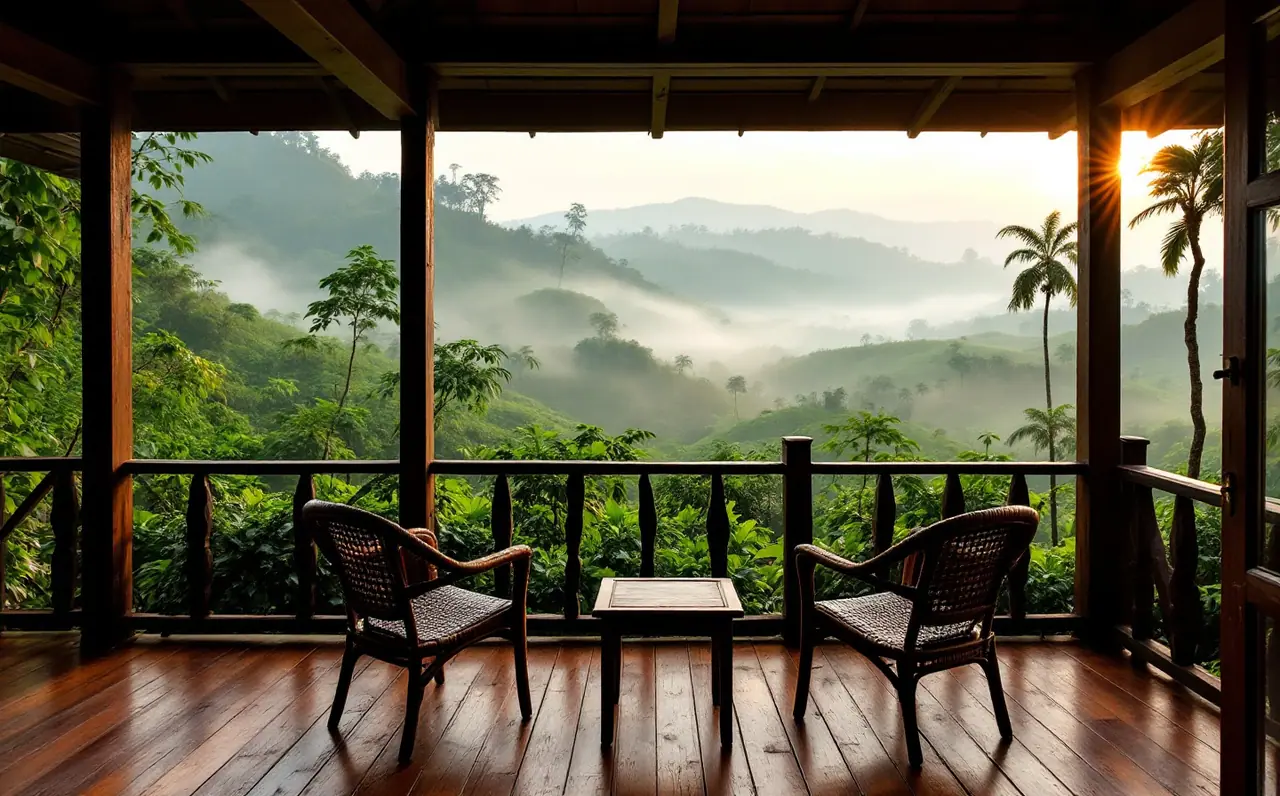
Choosing a homestay in spice country, from Kumily to the estates
Town, estate or forest edge: how to pick a homestay around Thekkady, Kumily and Vandanmedu, what to ask before you pay, and how to be a good guest.
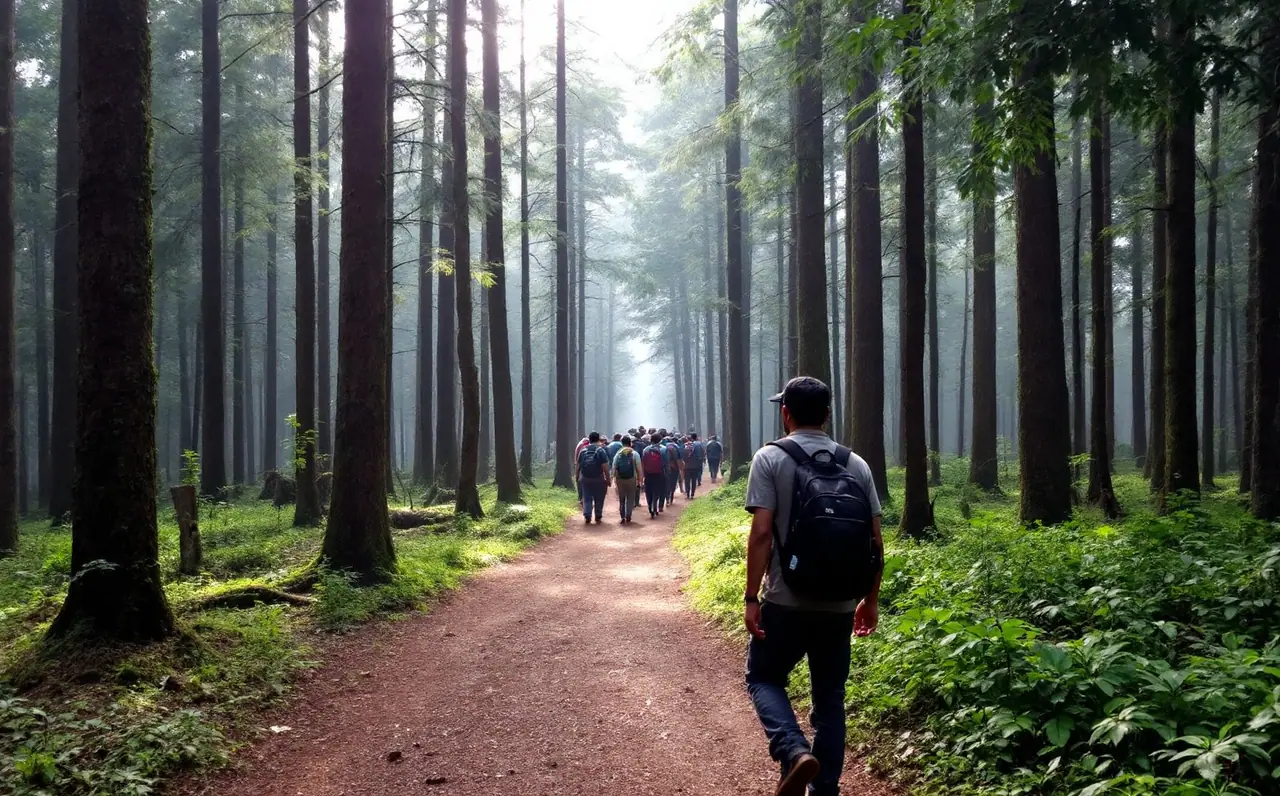
Ethical wildlife viewing in Indian forests
Plain rules of thumb for watching wildlife in Indian forests and reserves: distance, noise, food, night lights, bird calls, geotags and elephants on the road.
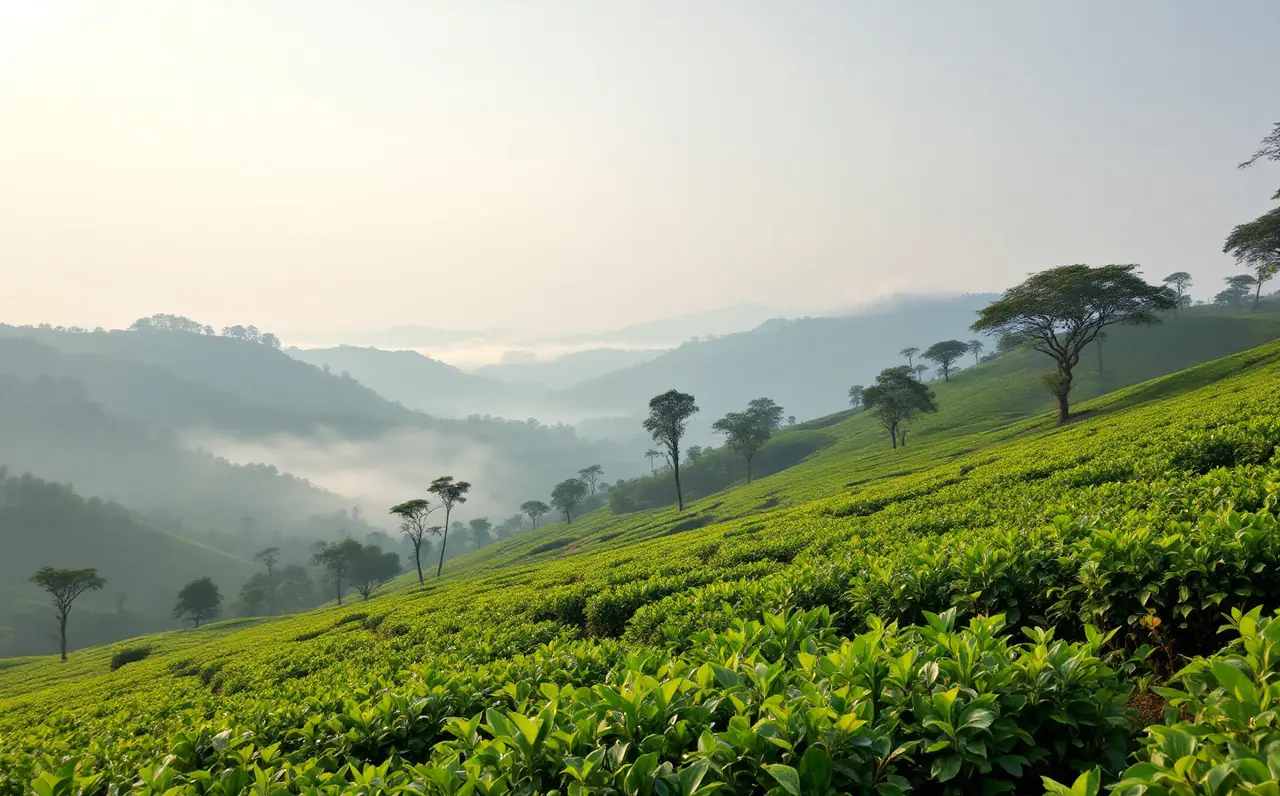
Munnar or Vagamon: choosing a hill-town side trip from Thekkady
Tea slopes and Nilgiri tahr in busy Munnar, or pine woods and open meadows in quieter Vagamon. How to choose, with two-day plans and a side-by-side table.