
How to recognise a good floor for a garden room before you choose
How to read your garden room's traffic, sun and season so the floor you choose copes with mud, grit and dry air for years.
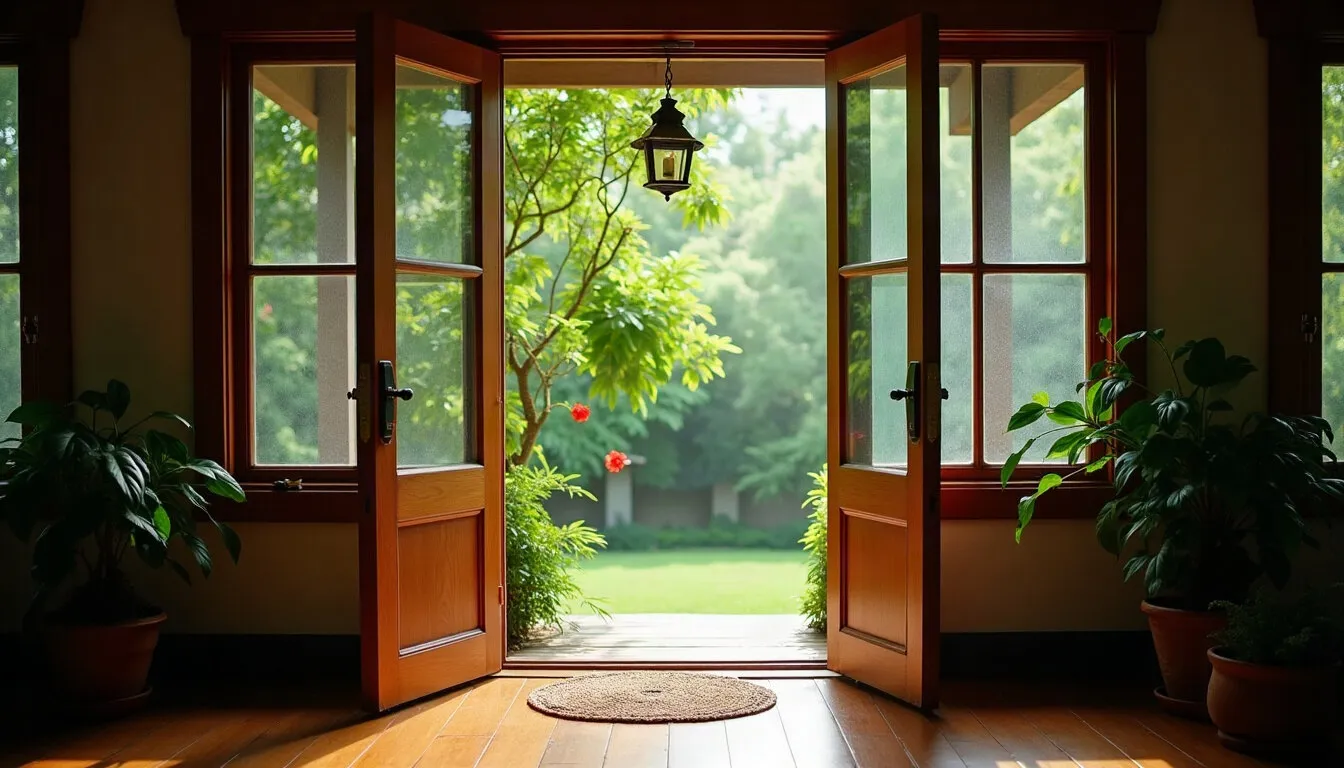
Most mornings the first bird I see is through the glass of a back door. A white-cheeked barbet calls from the jackfruit tree, a bulbul drops onto the wall, and I step out in whatever I'm wearing on my feet, then step back in with half the garden on my soles. After enough years of this, I've come to think the floor by a garden door does more work than any other surface in a house.
If you live on the north-east side of Denver, the questions you might put to the flooring contractor Commerce City CO homeowners can reach are the same ones I ask of a bird I don't know: what am I looking at, and how will it behave in a hard season? This piece is about the room where you watch the garden, and how to choose a floor for it with a birder's patience rather than a showroom's hurry.
Know what the room is really for
Before you look at a single sample, watch how the room is used for a week. I mean watch it the way you'd sit at a hide: quietly, without deciding anything yet. Where do people walk? Where does the morning sun land? Where does the dog wait for the door to open? Which corner gets the wet boots, the bird seed spilled from a scoop, the binoculars set down on the floor because the table was full?
A garden room or a kitchen with a back door is rarely just one thing. It is a corridor, a mud room, a lookout and, in the evenings, a place to sit. Each of those uses asks something different of the floor. The corridor wants a surface that shrugs off grit. The lookout wants something quiet underfoot, so a step doesn't send a feeding finch into the hedge. The sitting room wants warmth.
Field marks
- Grit lines: a dull path worn from the garden door to the kitchen
- Sun patches: places where rugs or furniture have faded unevenly
- Water spots: a ring near the door where boots and bowls sit
- Noise: a board or tile that clicks or creaks at the same point every day
Learn the field marks of the main floor types
There are many floors in the world, but for a busy garden-facing room most people end up weighing a short list. I find it helps to treat them like a handful of similar birds, each with a habit you learn to spot.
Hardwood
Solid and engineered wood feels alive underfoot in a way I've never found in anything else. It is warm, a little soft to the step, and it ages with the house. The trade-off is that wood moves. It takes up moisture and gives it back, so it swells and shrinks with the seasons, and it shows scratches from grit carried in from outside. A good installer thinks about where the boards meet the door, how much room they need to move, and what finish will stand up to boots.
Luxury vinyl plank
Luxury vinyl plank is the bird that turns up everywhere because it copes with almost anything. It handles spills and muddy paws well, it is quieter than many people expect, and it doesn't mind a wet doormat nearby. It does want a flat, well-prepared surface beneath it, and long runs of strong sun through large windows are worth discussing before you choose a colour or a product.
Refinishing what you already have
Sometimes the right floor is the one already in the room. Old hardwood that looks tired, grey or patchy can often be sanded and given a new finish, which keeps the character of the boards and avoids tearing anything out. Whether that is possible depends on how much wood is left above the tongue and on any damage near the door, which is something to have a flooring company look at in person.
| Option | Suits | Watch out for | Question to ask |
|---|---|---|---|
| Hardwood | Sitting rooms, quiet lookouts, homes where warmth matters | Grit scratches, seasonal movement near doors | How will the boards be finished and protected by the garden door? |
| Luxury vinyl plank | Busy back doors, pets, families who come in muddy | Uneven subfloors, long hours of direct sun | What preparation does the floor beneath need first? |
| Refinishing existing wood | Older homes with sound boards that look worn | Thin boards, past water damage | Is there enough wood left to sand, and what will the finish cope with? |
Read the season before you decide
In the hills where I learned to bird, the monsoon decides everything. Paths, roofs and floors in a homestay are all chosen with months of wet in mind, and you learn to read a house by how it handles that season. Colorado asks a different question. The air is dry for much of the year, winters bring snow and the slush that follows it indoors, and the high sun pours through any window that faces it.
Those three things are worth holding in your head while you look at samples. Dry air matters for wood, because boards that settle in one season can open small gaps in another. Snow and grit matter for any finish near a door, because melting slush carries fine stones that act like sandpaper. Strong sun matters for colour, because the patch in front of a big window will age faster than the corner behind the sofa.
A good installer will ask about these things without being prompted. If they don't, I'd raise them myself.
I also think about timing. The weeks when windows can be opened and the garden door left alone for a few days are the easiest time to have work done, especially sanding and finishing, which want air and patience. Plan the job around your own quiet season rather than squeezing it into the busiest one.
Recognise a contractor worth hiring
You learn to recognise a reliable bird guide on the first morning: they walk slowly, they listen before they point, and they tell you when they're not sure. The same habits show up in a good flooring contractor, and you can often see them in the first visit.
A careful contractor looks at the floor that is already there before they talk about the one you want. They check whether the surface beneath is flat and sound, ask what lies under it, and look at the thresholds where your room meets the garden door and the rest of the house. They ask how the room is used, who walks through it, and whether there are pets. They explain what preparation is needed and why, in plain words, and they give you a clear idea of how the work will run from start to finish.
They also tell you what a material won't do. Every floor has a weakness, and a contractor who names it is far more useful than one who promises perfection. If you are comparing companies, notice which ones explain the trade-offs and which ones only list the benefits.
For commercial spaces, such as a small shop or office on the ground floor of a mixed building, the questions are much the same but the traffic is heavier and the hours longer. Ask how the work can be scheduled around opening times and how the floor will be cleaned and maintained afterwards.
Field marks
- They inspect the existing floor and what lies beneath it before quoting
- They ask how the room is used, not only what you'd like it to look like
- They explain preparation, thresholds and transitions in plain words
- They tell you honestly where a material is weak
Make the floor work for watching the garden
Once the floor is chosen, a few small habits help it, and the garden, at the same time. These are the things I'd do in my own house, and most cost nothing.
Put a good mat on both sides of the garden door, one outside for the worst of the mud and one inside for the last of the grit. Keep a low bench or a tray near the door for boots, so wet soles never wander across the room. If you fill bird feeders from inside, do it over a tray, because spilled seed underfoot grinds into any surface.
Place a rug where you stand to watch, and lift it now and then so the floor beneath doesn't fade unevenly against its edges. Felt pads under chairs make a surprising difference to how quiet a room is, and a quiet room is a better lookout. I've watched a pair of sunbirds stay on a hibiscus outside a window simply because nobody scraped a chair inside.
Field marks
- Mats on both sides of the garden door, shaken out weekly
- Felt pads under every chair near the window
- A tray for boots and another for filling feeders
- A rug lifted and turned with the seasons
Before the next rains
Spend one week watching how your garden room is really used, and write down where the grit, the sun and the water collect, just as you would note a bird's habits in a field notebook. Then take those notes to the first visit with a flooring company, and let them shape the conversation.
A floor that suits its room, like a bird that suits its habitat, rarely needs much fuss afterwards.

Arjun Pillai
Arjun grew up in Kottayam and has kept a bird list since a school trip to Thattekad. He writes the birding and butterfly pieces, mostly about learning to see the common species properly before chasing rare ones.
More from the same habitat

What the monsoon teaches about brick, stone and a home's foundations
Watch how rain moves around your house, learn the signs of tired mortar and cracks, and know what to ask a masonry contractor.

Photographing wildlife in rainforest light
Camera settings, focus habits and lens care for photographing birds and animals under a dark evergreen canopy and from a boat on a humid Western Ghats lake.