
The best time to visit Thekkady, month by month
Dry months, pre-monsoon heat and two monsoons: how Thekkady and Periyar change through the year, and which month suits elephants, birds, mist or quiet.
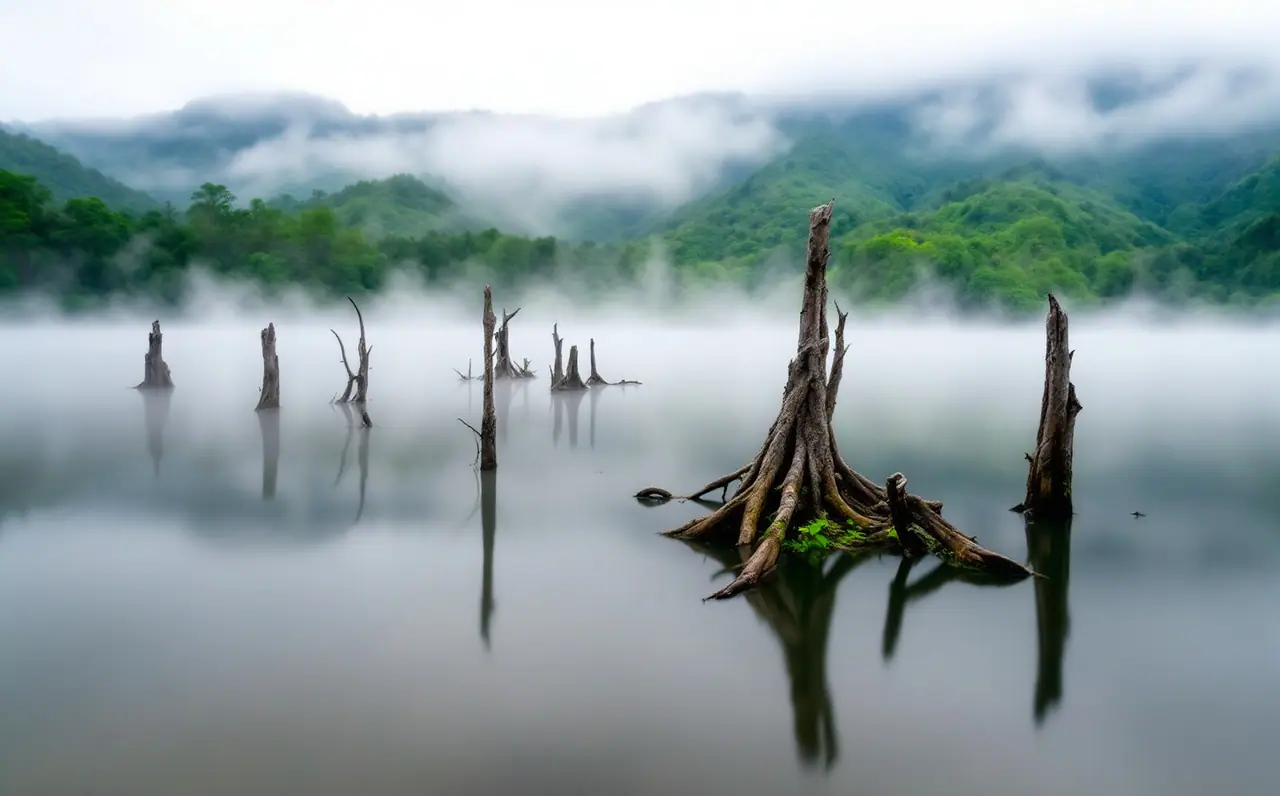
People ask me when to go to Thekkady as if there were one right answer. There isn't, and that is good news, because the town and the forest around it are worth seeing in almost any month if you know what you are trading. Dry season visitors get clear mornings and animals drawn to the water. Monsoon visitors get a forest that looks freshly painted, and leeches. The months in between have their own small rewards, and the crowds come and go on a calendar that has more to do with school holidays than with weather.
What follows is how I think about the year when I plan a trip, season by season, with a month-by-month table further down. I am a traveller who spends too long reading rain forecasts, not a naturalist, so treat this as a planning aid. For anything to do with timings, fees or which activities are running, the reserve sets the rules and they change, so check the official sources before you go.
How the year works in the hills
Thekkady sits on the edge of Periyar Tiger Reserve in the Cardamom Hills of Idukki district, at the Kerala and Tamil Nadu border. The reserve covers roughly 925 square kilometres and climbs from deep river valleys to ridges around 2,000 metres, so weather in one corner is not quite the weather in another. The lake that most visitors see was formed when the Mullaperiyar dam was completed in 1895, flooding the valley and leaving the drowned tree stumps that appear in so many photographs.
Rainfall here is heavy by most standards, usually described as somewhere between 2,000 and 3,000 millimetres a year. Roughly two thirds of it arrives with the south-west monsoon from June to September. Most of the remainder comes with the north-east monsoon from October into December, which tends to bring afternoon and evening storms rather than days of steady rain. The months from January to March are the driest. April and May warm up, with the odd thunderstorm, before the cycle begins again. Temperatures are milder than on the plains because of the altitude: cool mornings in December and January, and warm afternoons in April and May that rarely feel as punishing as the coast.
If you want the background on the reserve itself before choosing dates, the visiting Thekkady guide covers the basics of the town and how people get there, and the wildlife guide explains which animals live where.
The dry season: December to March
This is the season most first-time visitors pick, and for good reasons. Mornings are clear and often cool enough for a light jacket. Roads are dry. Walking trails are firm underfoot, and leeches are far fewer once the rains are well past, usually by January.
For wildlife around the lake, the drier months are when things get interesting. As streams and pools inside the forest shrink, elephants, gaur, sambar and wild pig come more regularly to the lake edge to drink and graze on the grass that grows as the water level drops. March and April are often mentioned as the best months for seeing elephants near the water, though nothing is guaranteed and a lot depends on where the herds happen to be that week.
Winter migrant birds are present through much of this period, alongside the resident forest species. Mornings in December and January often start with mist lying over the lake, which burns off as the sun climbs. If you like that soft, grey kind of photograph, these are the weeks for it.
The catch is people. Christmas and New Year are among the busiest weeks of the whole year in Thekkady, and the weeks around Pongal in mid-January bring many visitors from Tamil Nadu. Kumily also sits on one of the road routes pilgrims use on the way to Sabarimala, so from mid-November to mid-January the town's main road can be busier than you expect. None of this ruins a visit. It just means homestays fill early and popular activities can have long queues.
Pre-monsoon heat: April and May
April and May are the warmest months. Afternoons can feel heavy, and thunderstorms start to roll in, usually later in the day. The forest dries out and some of the undergrowth looks tired, but the water story continues: animals that depend on the lake keep coming to it until the rains break. Early mornings and late afternoons are the pleasant parts of the day, so I plan walks and boat trips (where they are running) for those hours and keep the middle of the day for a long lunch, a spice garden visit or a nap.
These are also the main school holiday months in Kerala and much of south India, so families travel in large numbers, especially on weekends. If you have flexibility, weekdays are noticeably calmer. Leeches begin to return after the first proper showers, so by late May it is worth packing leech socks again.
The south-west monsoon: June to September
The monsoon usually reaches Kerala around the start of June, and in the hills it arrives with conviction. Some days bring rain from dawn to dusk. Others bring heavy bursts with bright, washed gaps between them. Cloud sits low on the ridges, waterfalls appear on every hillside, and the forest is as green as it ever gets.
Wildlife viewing changes. With water everywhere inside the forest, large animals have no need to come to the lake, so sightings from the shore or a boat become less predictable. Smaller life takes over: frogs calling from every ditch, fungi on fallen logs, snails, millipedes and a busy undergrowth. It is a good season for people who enjoy looking closely rather than scanning for elephants.
The practical side is harder. Leeches are at their peak. Some trails and activities may be suspended during spells of very heavy rain, and in years of severe weather the district administration has restricted night travel on hill roads and paused some outdoor activities until alerts are withdrawn. Plan with spare days and expect plans to shift. Onam, which usually falls in August or September, brings a wave of holiday visitors even in the rain.
The north-east monsoon: October and November
After the south-west monsoon eases, there is often a short pause before the north-east monsoon brings a different rhythm: clearer mornings, cloud building through the day and storms in the afternoon or evening. The forest is still lush, streams are full and the air is fresh. Leeches are still around, though usually fewer than in July.
Winter migrant birds start arriving in October and November, which makes this a rewarding time for anyone who keeps a list. Visitor numbers are moderate until the holiday season builds in December, and the Diwali long weekend can bring a short rush. For me, late October and November are a quiet favourite: green hills, fewer people and a reasonable chance of a dry morning.
Month by month at a glance
| Month | Weather in plain words | What is good | What to watch out for |
|---|---|---|---|
| January | Dry, cool mornings, warm days | Clear skies, morning mist on the lake, migrant birds, few leeches | Pongal crowds mid-month, pilgrim traffic in the first half |
| February | Dry and pleasant, warming slowly | Comfortable walking, birds still active, steady light for photos | Popular weekends fill up |
| March | Dry and warm | Animals increasingly drawn to the lake edge | Hotter afternoons, hazier views |
| April | Hot afternoons, first thunderstorms | Good chance of animals near water, early mornings are lovely | School holiday crowds, heat in the middle of the day |
| May | Warm and humid, building storms | Last of the dry-season lake viewing | Holiday crowds, leeches return after showers |
| June | Monsoon arrives, heavy rain | Waterfalls, very green forest, frogs | Leeches at their peak, possible suspensions in heavy rain |
| July | Often the wettest stretch | Quiet town, fungi and small creatures, dramatic cloud | Landslide-prone roads, wet gear that never dries |
| August | Heavy rain with some breaks | Lush views, fewer visitors outside Onam | Onam holiday rush, leeches, road alerts |
| September | Rain easing towards the end | Green hills with clearer spells | Late heavy bursts, slippery trails |
| October | Afternoon storms, clearer mornings | Migrant birds arriving, fresh forest | Evening downpours, Diwali long weekend |
| November | Mixed sun and storms | Quieter weeks, good birding, full streams | Pilgrim season begins mid-month |
| December | Mostly dry, cool mornings | Mist, clear days, festive atmosphere | Christmas and New Year peak, rooms scarce and long queues |
Birds, leeches and mist: the small things that tip the balance
If birds are your main interest, the stretch from October to March gives you resident forest species plus winter visitors, with early mornings as the most productive time. The eBird page for Idukki district, which includes Thekkady, is a useful way to see which species other birders have reported in a given month.
Leeches follow the rain. They are common from the first pre-monsoon showers through the north-east monsoon and thin out in the dry months. They are harmless in most cases, just unpleasant, and the usual habits help: leech socks, long trousers tucked in, a quick check of ankles after every walk, and listening to whatever the guide on your walk tells you. Anyone with a medical concern about bites should talk to a doctor before travelling. The field kit page lists what I would pack for each season.
Mist is a winter and monsoon pleasure. In December and January it tends to lie over the lake at dawn. In the monsoon, cloud simply sits on the ridges for hours. If you want views across the hills, the clearer mornings of February and the dry spells of October are better bets.
Planning around crowds
The busiest periods are fairly predictable: Christmas to New Year, Pongal, the April and May school holidays, Onam, and long weekends through the year. On those dates I settle where to stay well ahead, arrive on a weekday where I can and plan the most popular outings for the first slot of the day. Activities, their timings and any fees are set by the reserve and change from season to season, so check the reserve's official website, the Kerala Forest Department or the counter in Thekkady for current details rather than relying on anything you read in a blog, this one included.
For more practical pieces on seasons, packing and getting around, the Visiting Responsibly section collects them in one place.
So which month should you choose
If it is your first visit and you want the best chance of elephants by the lake, aim for February to April and travel midweek. If you care most about birds and quiet, try late October, November or February. If you want green hills, waterfalls and frogs, and you can cope with leeches and flexible plans, the monsoon months are wonderful. And if you only have the Christmas week, go anyway, but reserve your stay early and get up before everyone else, because the first hour after dawn is when Thekkady is at its calmest in every season.

Sneha Kurien
Sneha plans trips the slow way, with bus timetables, rain forecasts and too many homestay messages. She writes about seasons, getting around the hills and travelling with family.
More from the same habitat
Choosing a homestay in spice country, from Kumily to the estates
Town, estate or forest edge: how to pick a homestay around Thekkady, Kumily and Vandanmedu, what to ask before you pay, and how to be a good guest.
Ethical wildlife viewing in Indian forests
Plain rules of thumb for watching wildlife in Indian forests and reserves: distance, noise, food, night lights, bird calls, geotags and elephants on the road.
Munnar or Vagamon: choosing a hill-town side trip from Thekkady
Tea slopes and Nilgiri tahr in busy Munnar, or pine woods and open meadows in quieter Vagamon. How to choose, with two-day plans and a side-by-side table.