
Mountain road trips for people who would rather watch the view
Planning a group trip into the mountains: weather, seats, cars and when a shared coach makes more sense than a convoy.
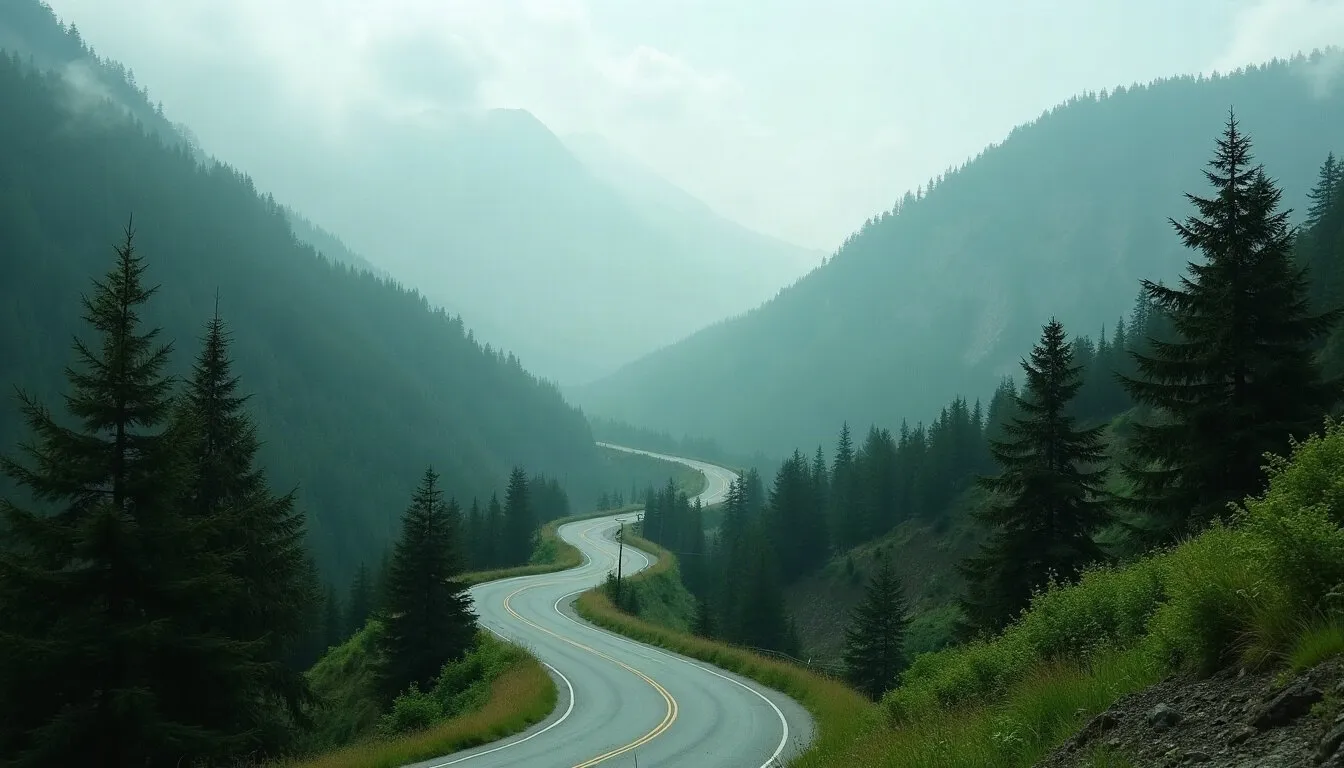
The road up from the plains to Kumily climbs through hairpin after hairpin, and on the bus the window seat is the prize. From there you watch the forest close in, the mist slide across the ridges and, if you are lucky, a pair of hornbills crossing the road ahead. The driver watches the bends; you watch the hills.
Mountain trips in Colorado ask the same question of a group: who has to drive, and who gets to look? For a family, a ski party or a wedding group, a charter company offering a bus from Denver to Vail can take the driving off everyone's hands. Here is how I would think through that choice, as someone who plans every trip around the road and the weather.
Know the mountain road before you plan it
Anyone who has travelled the ghat roads in the monsoon learns that a mountain road is not just a distance on a map. It is a set of conditions that change by the hour: rain, fog, a fallen branch, a lorry crawling uphill in front of you. The same journey can be easy in the morning and slow by evening.
The drive from Denver into the high country has its own version of this. Colorado winters bring snow and ice to the mountain passes, storms can arrive quickly, and holiday weekends fill the main road with traffic heading the same way. Summer is gentler but brings its own afternoon storms and busy weekends. None of this is a reason not to go; it is a reason to plan.
So before choosing how to travel, write down three things: when the group needs to arrive, how flexible that time really is, and what the weather tends to do in that season. A wedding party with a fixed ceremony time has very different needs from a few friends with a free weekend.
Field marks
- a fixed arrival time that cannot easily move, such as a ceremony or check-in
- travel in snowy months or on busy holiday weekends
- a group large enough to need several cars
- drivers in the group who are not used to mountain roads in winter
Count the cars, not just the people
When my extended family travels to the hills together, the planning conversation always starts with seats. Who fits in which car, who gets carsick on bends, who has the luggage, who can drive in the dark. By the time it is settled, half the group is tired before the trip begins.
For a group heading into the mountains, the number of cars matters more than it first seems. Each car needs a confident driver, a parking space at the other end, and its own plan if the weather turns. Convoys split up, phones lose signal in the valleys and someone always stops for coffee. One vehicle for everyone removes most of that.
It also changes the trip itself. On a shared coach, the group arrives together, conversations carry on, and nobody spends the journey gripping a steering wheel. For a wedding or a reunion, that shared arrival is often part of the occasion rather than just transport.
| Option | Suits | Watch out for | Question to ask |
|---|---|---|---|
| Driving your own cars | small groups with confident winter drivers | splitting up, parking, tired drivers on the way back | Who is comfortable driving the passes in snow? |
| Hiring a charter coach | larger groups, weddings, ski parties | booking early for busy dates | How does the company handle weather delays? |
| A mix of both | groups with different arrival times | coordinating two plans | Who travels when, and who is responsible for each part? |
Learn the field marks of a well-planned group trip
The group trips that go well are rarely the ones with the most detailed schedule. They are the ones where the plan has room in it. My notebook for any hill trip has a margin for "what if": what if the bus is late, what if the road closes, what if a child is unwell.
For a mountain coach trip, that margin looks like a sensible departure time with a buffer, a clear meeting point, a list of everyone travelling and a contact number for the group's organiser. Ask the charter company how they handle bad weather, what happens if the road is slowed or closed, and how luggage, skis or wedding outfits will travel. A good company will answer those questions plainly and will not promise to beat the weather.
Then think about the people. Altitude can make some travellers feel unwell, especially on the first day, so water, light snacks and a slower first evening help. Anyone with a health condition that might be affected by altitude should ask their own doctor before the trip; that is general advice, not a substitute for theirs.
Field marks
- a departure time with room for weather and traffic
- one meeting point and one organiser everyone knows
- a clear answer from the transport company on weather delays
- water and snacks on board, and a quiet first evening at altitude
Pack for the journey, not just the destination
On the long bus rides up into the cardamom hills, I learned to keep a small day bag at my feet and everything else out of reach. The big bags go in the hold or on the roof rack; the day bag holds whatever the journey itself needs. It is a habit that works just as well on a coach climbing into the Rockies.
In the day bag: water, a snack that will not crumble everywhere, a warm layer you can pull on without standing up, any medicines someone might need on the way, and a charged phone. Mountain air is dry and cold in winter, so lip balm and a scarf earn their place too. For children, one small activity and a window seat usually do more than any screen.
For the group as a whole, it helps if one person keeps a short list: who is travelling, who shares a room with whom at the other end, and any dietary or medical needs that the organiser should know about. Skis, boots and wedding outfits need their own thought. Ask the transport company ahead of time how bulky gear travels, and pack delicate clothes in a hanging bag that can lie flat rather than be crushed under a stack of rucksacks.
Field marks
- a small day bag kept at your feet, not in the hold
- a warm layer you can reach while seated
- one person holding the list of travellers and their needs
- a plan for skis, boots or formal clothes agreed before departure day
Travel the mountains lightly
What I love about the hills of the Western Ghats is that they belong to the animals first. Elephants use the same paths they always have, and the best wildlife moments come when visitors are quiet, patient and few. The Rocky Mountains are no different. Elk, deer and bighorn sheep live along the valleys, and the high country is fragile in ways that are easy to forget from a car window.
Fewer vehicles on a mountain road means less traffic, less parking pressure in small mountain towns and a little less noise in places where wildlife lives close to the road. A shared coach is not a grand environmental gesture, but it is a sensible one for a group, in the same way that sharing a jeep on a forest road beats a line of private cars.
Once you arrive, the usual rules of responsible travel apply. Stay on marked paths, keep a respectful distance from any animal you see, take your rubbish home, and leave the meadows and streams as you found them. The window seat is for watching, not for stopping on the shoulder to chase a photograph.
Before the next rains
If you have a group trip to the mountains coming up this season, write down your arrival time, your group size and the weather that month, and decide early whether you want to drive or be driven. If a coach makes sense, contact a charter company well ahead of busy dates and ask how they handle snow and delays.
Then save the window seat for whoever most wants to watch the hills go by.

Sneha Kurien
Sneha plans trips the slow way, with bus timetables, rain forecasts and too many homestay messages. She writes about seasons, getting around the hills and travelling with family.
More from the same habitat
Choosing a homestay in spice country, from Kumily to the estates
Town, estate or forest edge: how to pick a homestay around Thekkady, Kumily and Vandanmedu, what to ask before you pay, and how to be a good guest.
Ethical wildlife viewing in Indian forests
Plain rules of thumb for watching wildlife in Indian forests and reserves: distance, noise, food, night lights, bird calls, geotags and elephants on the road.
Munnar or Vagamon: choosing a hill-town side trip from Thekkady
Tea slopes and Nilgiri tahr in busy Munnar, or pine woods and open meadows in quieter Vagamon. How to choose, with two-day plans and a side-by-side table.