
How to recognise a rodent problem before it moves into the walls
Read the signs rats and mice leave, close the gaps they use and choose control methods that spare the owls and other wildlife in your garden.

In the hill house where I grew up, the cardamom store sat behind the kitchen, and every monsoon something small and whiskered tried to move in with it. You heard it before you saw it: scratching in the rafters after the lamps went out.
Homes in hot north Texas meet the same visitor. If the signs are already inside your walls, one of the exterminators Fort Worth homeowners turn to can trace the entry points and deal with the animals. The harder question is how to keep them out without poisoning the owls and snakes that do half the work for you. It starts with learning to read the signs early, the way the old hill families did, and with knowing which parts of the job belong to you and which to a professional.
Learn what a rodent leaves behind
Rats and mice are shy, and most people living with them rarely see one. What you see is evidence, the way a birder learns a bird from a call or a feather before the bird itself. In the hills we learned to read the floor of a store room like a forest path: droppings, gnawed edges, the dark smudge where a body brushes the same wall again and again.
Droppings tell you the most. Fresh ones are dark and soft, older ones grey and crumbly, and where you find them tells you the route. Gnawing is the second clue: wood, plastic pipes, the corners of food boxes and the insulation on cables all get chewed, because a rodent's front teeth never stop growing. The third clue is grease. Rats follow the same runs every night, and the oil in their fur leaves a dull line along skirting boards and around holes.
Then there is sound. In our house it was the rafters; in a modern home it is more often the attic, the space above a ceiling or the gap behind kitchen cupboards. Scratching that starts after dark and stops before dawn is the classic pattern.
Field marks
- dark, rice-sized or larger droppings near food, in drawers or along walls
- gnaw marks on wood, pipes, cable coverings or food packaging
- greasy smudges along the same stretch of wall or around a gap
- scratching or scurrying overhead in the first hours of the night
Find the doors before you find the animals
The old houses up the ridge were built of laterite and timber with tiled roofs, and every one had gaps. The families who kept their stores clean did not do it by killing rats; they did it by closing doors. A rat needs very little space to squeeze through, and a mouse even less, so the work is mostly about patience and a torch.
Walk the outside of your home slowly, the way you would walk the edge of a forest at dawn. Look where pipes and cables enter the walls, along the line where the roof meets the walls, around air vents and crawl-space openings, and under doors that do not quite sit flush. Look up as well as down. Roof rats, the kind common in warm southern cities, are climbers and will use a tree branch or a fence line as a ladder onto the roof.
Inside, check the backs of cupboards, the space behind the cooker and the fridge, and anywhere a pipe passes through a floor or wall. Gaps that look too small to matter are often exactly the ones in use. Be careful in attics and crawl spaces: wear gloves and a mask, never sweep up droppings dry, and leave any wiring you find chewed for an electrician to look at.
Field marks
- gaps around pipes, cables and vents where they pass through walls
- branches, vines or fences touching the roof or gutters
- light showing under exterior doors or around garage doors
- chewed edges on vent covers or crawl-space openings
Know the season that sends them indoors
In Kerala the push comes with the rains. When the fields and ditches fill, everything that lives low on the ground looks for somewhere dry, and a kitchen with a sack of rice is an obvious choice. After enough monsoons you start sealing the house before the rain arrives, not after.
North Texas runs on a different calendar but the idea holds. Long, hot summers and sudden heavy storms both drive rodents towards shelter and water, and cooler months make a warm attic attractive. A dry spell can be its own pressure: when gardens and creeks are parched, a dripping outdoor tap or a pet's water bowl starts to look like an oasis.
The practical point is simple. Look for gaps and tidy food sources during the quiet months, before the weather changes, rather than in the middle of a problem. A home that offers no easy food, water or shelter is far less interesting to a passing rat.
Choose methods that spare the rest of the garden
This is the part a naturalist cares about most. A rat that eats poison does not always die where it ate. It may wander out slowly into the open, and that is when a barn owl, a hawk, a rat snake or a neighbour's cat picks it up. In the hills, the owls that called from the jackfruit trees at night were doing more for our stores than any trap, and I would not want to lose them for the sake of convenience.
That does not mean you should never use treatment; it means you should ask good questions about it. A careful professional will usually start with inspection and exclusion, closing up entry points so the problem does not simply refill. They will explain where anything they use is placed, how it is protected from children, pets and non-target animals, and what happens afterwards to the animals they catch. A good one will also tell you plainly what they found and what you can do yourself, such as moving bird feeders that drop seed onto the ground or storing pet food in sealed bins.
Here is how the main approaches tend to compare, in words rather than numbers:
| Approach | Suits | Watch out for | Question to ask |
|---|---|---|---|
| Sealing and exclusion | most homes, as the first step | gaps missed high on the roof line | Where exactly did you find entry points? |
| Traps placed by a professional | an active problem inside the house | traps left where pets or birds can reach | Who checks the traps, and how often? |
| Baits and chemical treatment | heavy or persistent problems | harm to owls, hawks, snakes and pets | How do you protect wildlife and pets? |
| Garden changes | reducing what attracts rodents | spilled birdseed, fallen fruit, open compost | What should I change outside? |
Field marks
- a professional who inspects and explains before they treat
- clear answers about pets, children and garden wildlife
- entry points sealed, not just animals removed
- advice on food, water and clutter you can act on yourself
Make the garden less inviting, not less alive
You do not need a sterile yard to keep rodents out of the house. You need a little distance between the wild parts of the garden and the walls. In the estates, the families with the fewest problems kept a clear strip around the house itself, swept daily, with the shade trees and cardamom beyond it.
Keep firewood and stacked materials away from the walls and off the ground. Trim shrubs and climbing plants back from the house and the roof. Pick up fallen fruit, keep compost in a closed bin, and fill bird feeders with only what the birds will finish in a day, using a tray to catch the spill. Fix dripping outdoor taps. Each of these takes away a reason to stay without taking anything from the birds, lizards and insects that make a garden worth sitting in.
Inside, the old kitchen habits still work best. Food in sealed tins or jars, nothing left out overnight, crumbs swept before bed. My grandmother's store room was not rodent-proof because it was new; it was rodent-proof because nothing in it was ever left open.
Before the next rains
Pick one evening this month to walk around the outside of your home with a torch and note every gap where a pipe, cable or vent goes through a wall, and every branch touching the roof. If you are already seeing droppings or hearing scratching overhead, call a professional before the weather turns, and ask how they will protect the owls and other wildlife that share your garden.
The best-kept houses I knew were never at war with the forest around them; they simply kept their doors closed.

Biju Abraham
Biju spent his childhood between Kumily and the cardamom estates further up the ridge. He writes about spice and tea country, hill towns, food and the people who live at the forest edge.
More from the same habitat
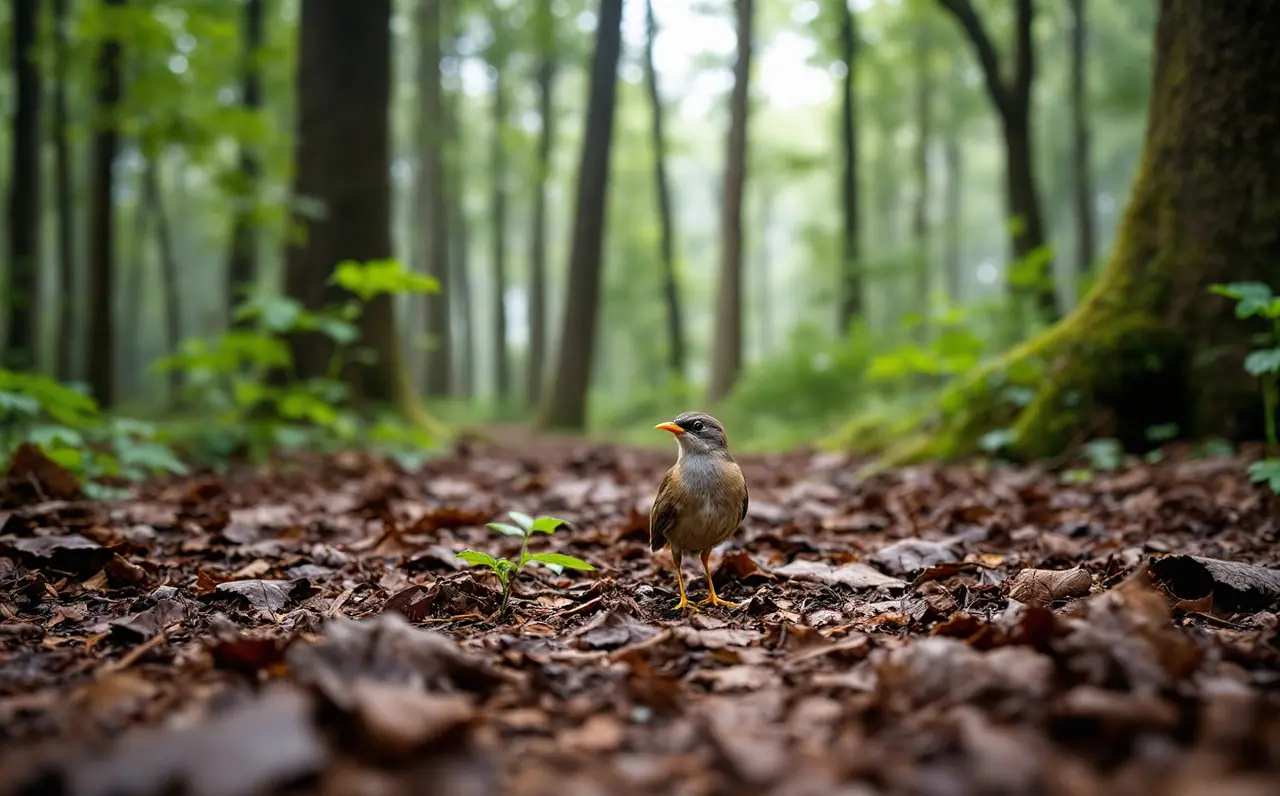
Winter migrant birds in the Kerala hills
After the monsoon, pittas, wagtails, robins and leaf warblers reach the southern Western Ghats. Field marks, arrival months and where to look for each one.
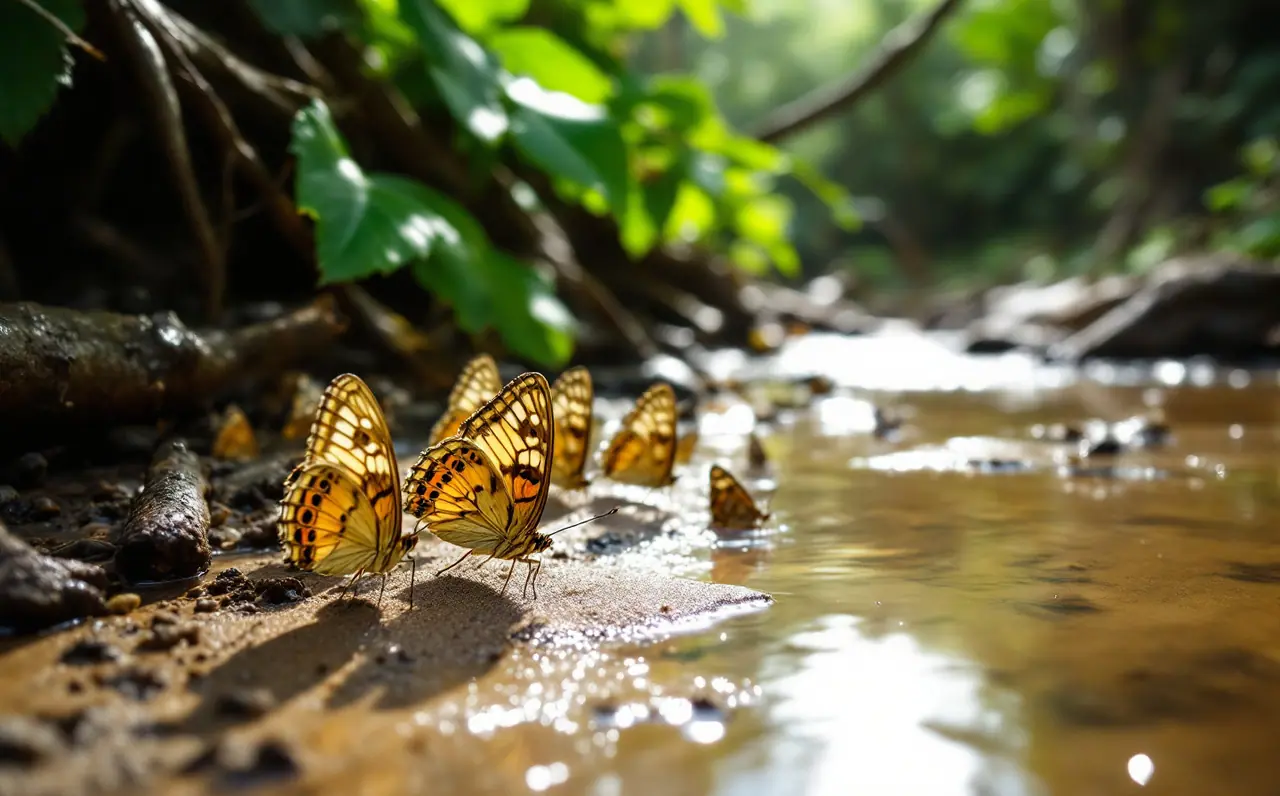
A starter list of butterflies in the southern Western Ghats
Ten butterflies to learn first in Kerala, from the southern birdwing to the rare Travancore evening brown, with families, puddling and gentle photography tips.
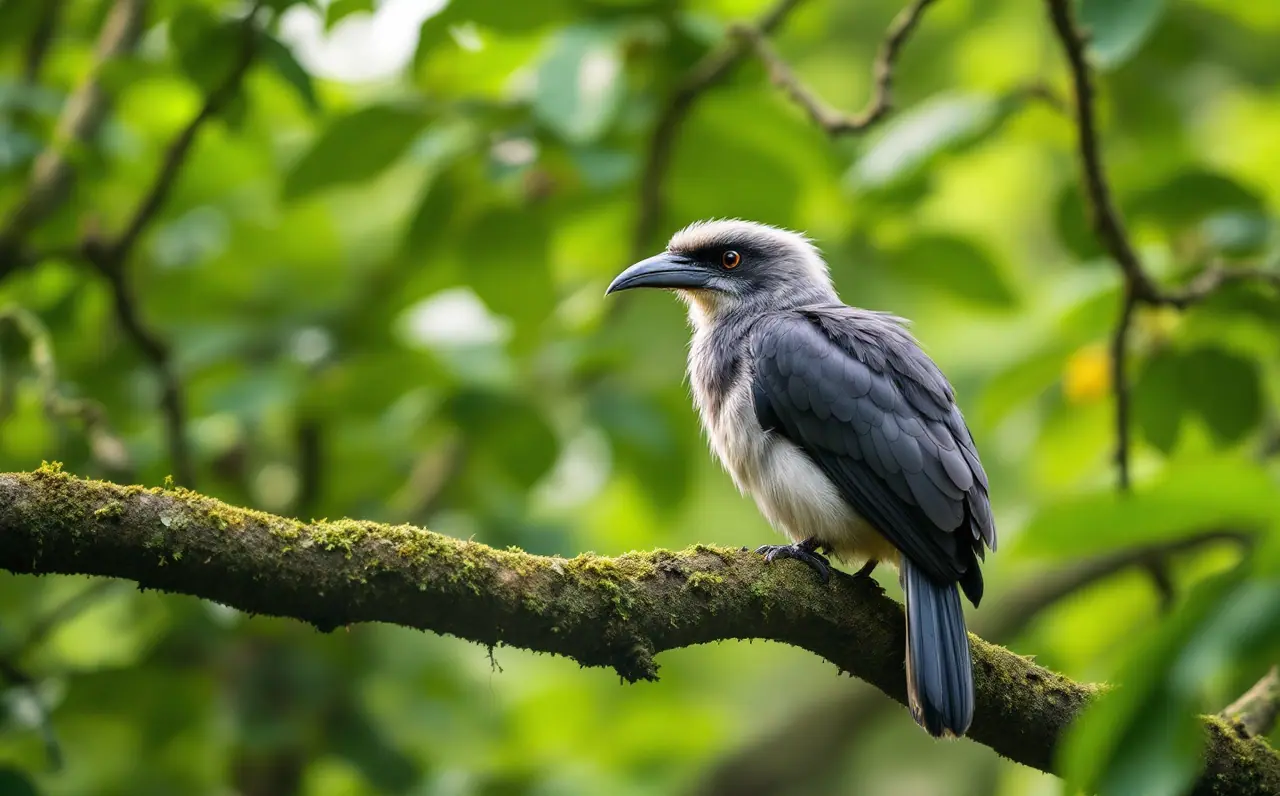
Birding around Thekkady for beginners
Where to look, when to go out and fifteen birds worth learning first around Thekkady and Kumily, from lake-edge darters to the Malabar trogon in the forest.