
Visiting ResponsiblyForests, Rivers & Hills
Travelling the Cardamom Hills in the south-west monsoon
Green ridges, full waterfalls and quiet towns, but also leeches, wet ghat roads and sudden closures. How to plan a monsoon trip around Thekkady that works.
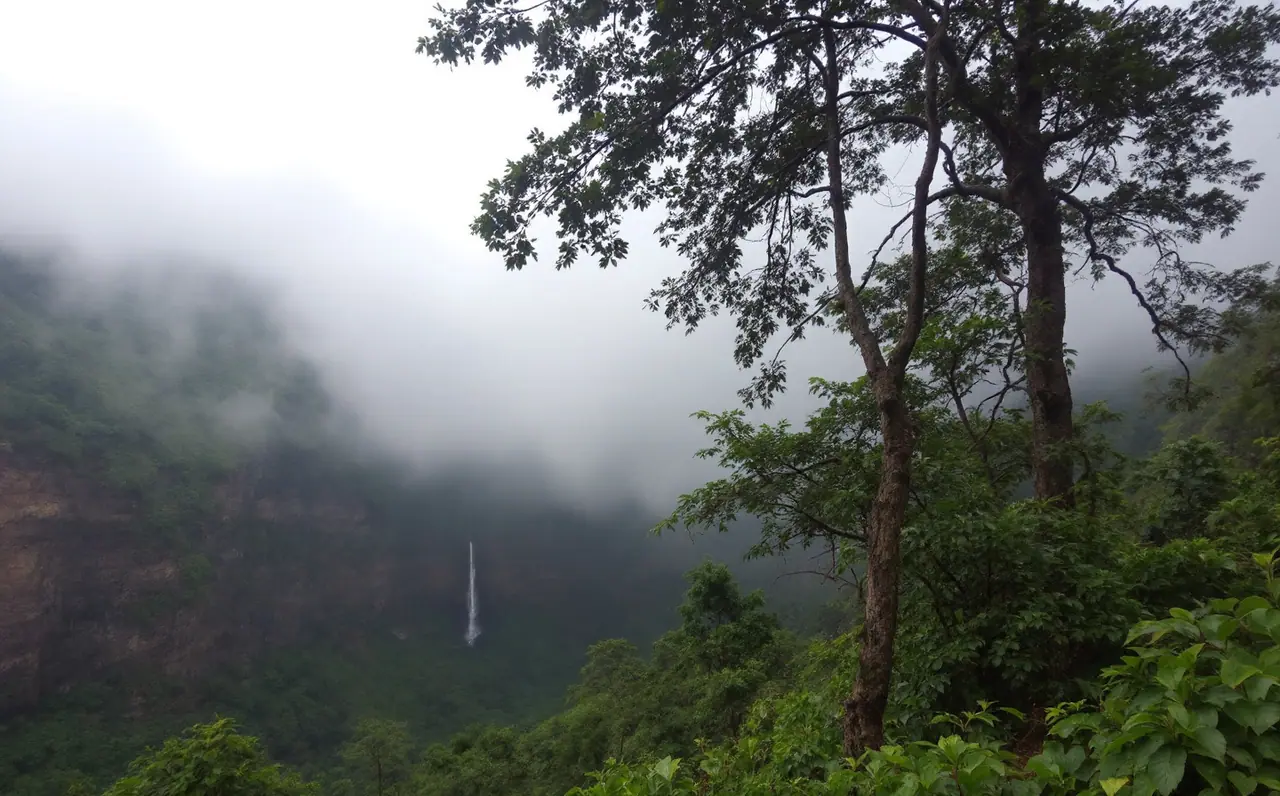
Every year, sometime around the start of June, the south-west monsoon reaches Kerala and the Cardamom Hills change character within days. The dust settles, the streams fill, and the ridges around Thekkady and Kumily disappear into cloud for hours at a time. Many travellers cross the monsoon months off their list without a second thought. I understand why, but I have also come to think of June to September as a season with its own logic, one that rewards people who plan loosely and pack well.
This piece is about how to travel here during the south-west monsoon: why some people choose it, what is harder, and the habits that make a wet week enjoyable instead of miserable. I plan trips the slow way, with rain forecasts open in one tab and bus timetables in another, so most of what follows is about logistics rather than romance. For a wider view of the whole year, the month-by-month guide to Thekkady sets the monsoon against the other seasons.
Why some people prefer the rains
The first reason is obvious the moment you arrive: the colour. The forest edges, the cardamom plantations under their shade trees and the tea slopes further up all turn a deep, saturated green. Seasonal waterfalls appear on rock faces that are bare in April. Mist moves through the valleys in slow waves, and the light, when it breaks through, is soft enough to make even a phone photograph look considered.
The second reason is space. Outside the Onam holidays, which usually fall in August or September, the monsoon is a quieter time in Thekkady. Homestay hosts have more time to talk, roadside tea stalls are less crowded, and you are more likely to have a viewpoint to yourself, even if the view is mostly cloud.
The third reason is the small life of the forest. The southern Western Ghats are known for their frogs, and many species call and breed in the rains. Ditches, puddles and stream edges come alive at dusk with sounds that are hard to place. Among the more famous residents of these hills is the purple frog, a burrowing species that spends most of the year underground and surfaces briefly to breed in the monsoon. You are unlikely to see one by chance, but knowing it is down there changes how you hear a wet night. Fungi push up from fallen logs in odd shapes and colours, snails and millipedes cross paths, and the leaf litter is busy. If you enjoy looking closely, this is a good season for it. The Forests, Rivers and Hills section has more on how the rain shapes this country.
What is harder
Leeches
Leeches are the monsoon's best-known inconvenience, and they are abundant in the wet months. They are mostly harmless, though a bite can bleed for a while and occasionally becomes itchy or infected. Leech socks, long trousers tucked into them and a habit of checking ankles, shoelaces and the backs of knees after every walk go a long way. Many local guides carry salt or tobacco leaves and will show you how they deal with leeches; follow their advice on the trail. If you have a condition that affects bleeding or healing, ask your doctor before you travel.
Roads and landslides
Idukki district is steep, and its roads are carved into hillsides that heavy rain loosens. Landslides, fallen trees and washed-out road edges happen in most monsoons, and the district has seen severe events in its worst years. The ghat sections, such as the climb on the Kottayam road up through Mundakayam towards Kuttikkanam, are beautiful and demanding: hairpin bends, sudden fog and water running across the tarmac.
Closures decided by the authorities
During spells of very heavy rain, things close. The reserve may suspend boat trips, treks or other activities, and the district administration can restrict travel on hill roads, sometimes banning night travel in hilly areas until weather alerts are withdrawn, and pause adventure and water-based tourism across the district. These decisions are made by the reserve and the district administration, not by homestays, drivers or anyone writing online. Before each day, check the notices issued by the Kerala Forest Department and the Idukki district administration, and keep an eye on the weather alerts published by the Kerala State Disaster Management Authority. Local news in Malayalam and English usually reports these orders quickly too.
Gear that never dries
The quieter problem is moisture. Clothes washed in the evening may still be damp two days later. Shoes stay wet. Cameras fog when you move from an air-conditioned room into the humid air outside. None of this is serious, but it wears you down if you have not planned for it.
Planning days around rain bursts
There is no reliable dry window in the south-west monsoon. Some days bring steady rain from morning to night. Others bring heavy bursts lasting half an hour, followed by an hour or two of bright, dripping calm. My approach is to give each day one main outdoor plan, one indoor fallback and plenty of slack.
A typical monsoon day for me looks something like this:
| Time of day | Plan | Fallback if it pours |
|---|---|---|
| Early morning | Short walk along a plantation road or the forest edge, if conditions allow | Tea on the veranda, listening for birds and frogs |
| Mid-morning | Spice garden visit, which works in light rain | Cooking lesson or a long conversation with the homestay host |
| Midday | Lunch and a rest while the heaviest cloud passes | Same, with a book |
| Afternoon | A viewpoint or short drive, only on roads you already know are open | Market wander in Kumily under an umbrella |
| Dusk | Listen for frogs near water with a torch, from a safe path | Sort photos and dry gear |
| Evening | Check next day's alerts and notices | Repack the dry bags |
The point of the table is not the times but the pairing. If every outdoor plan has an indoor partner, a heavy shower costs you nothing more than a change of scene.
I also keep a spare day at the end of any monsoon trip. A closed road or a suspended activity is much easier to accept when it does not mean missing a train.
Road safety on ghat roads
Most of the risk in a monsoon trip sits on the roads, not in the forest. A few habits help:
- Travel in daylight. Fog, rain and unlit bends make night driving in the hills much harder, and night travel may be restricted during alerts anyway.
- If you are hiring a car and driver, choose someone who knows these roads in the rain and let them decide when to stop. A driver who pulls over in a cloudburst is doing the right thing.
- Leave long gaps between vehicles. Braking distances grow on wet tarmac and on the slick patches where water runs off the slope.
- Do not stop under overhanging rock or beside freshly cut slopes, even for a photograph of a waterfall.
- Treat water flowing across the road with suspicion. It can hide potholes, gravel and broken edges.
- Respect barricades and police or forest instructions without argument, even when the road ahead looks clear.
- If you ride a two-wheeler, consider whether the trip really needs one in July. Buses run on the main routes and are driven by people who know every bend.
Clothing and dry bags
The list I pack for a week in the monsoon months is short and specific:
- One breathable rain shell with a hood, plus a compact umbrella for town.
- Two pairs of quick-drying trousers and three quick-drying shirts. Cotton stays wet for days.
- Two pairs of leech socks and five pairs of ordinary socks, with at least two pairs kept sealed for evenings.
- One pair of walking shoes with good grip and one pair of sandals or slides for wet roads and homestay floors.
- Three roll-top dry bags in different sizes: a small one for phone, cash and documents, a medium one for the camera, and a large one for spare clothes.
- A handful of zip-lock bags for chargers, medicines and anything else that hates damp.
- A small microfibre towel, which dries far faster than a cotton one.
- A head torch with spare batteries, because power cuts are common in storms.
- Two or three silica gel sachets in the camera bag.
The field kit page goes into more detail on each item.
One habit matters more than any single item: keep a full set of dry clothes, sealed, that you never wear outdoors. Putting on dry socks at the end of a wet day does a great deal for morale.
Staying flexible
The travellers who enjoy the monsoon most are the ones who arrive with a loose shape rather than a schedule. Pick a base, ideally a homestay or small guesthouse with a covered veranda, and stay put for several nights instead of moving every day. Ask your host each evening what they have heard about the roads. Check official notices before you set out, not after. Expect at least one plan a day to change, and decide in advance that you will not mind.
If you go in with that attitude, the rains around Thekkady stop being a problem to manage and become the reason you came: hills you can smell, streams you can hear from your bed and a forest that, for a few months of the year, belongs mostly to the frogs. The last thing I do every evening on a monsoon trip is the same: open the weather alerts, check whether any closure has been announced for the next day, and only then decide where to go in the morning.

Sneha Kurien
Sneha plans trips the slow way, with bus timetables, rain forecasts and too many homestay messages. She writes about seasons, getting around the hills and travelling with family.
More from the same habitat
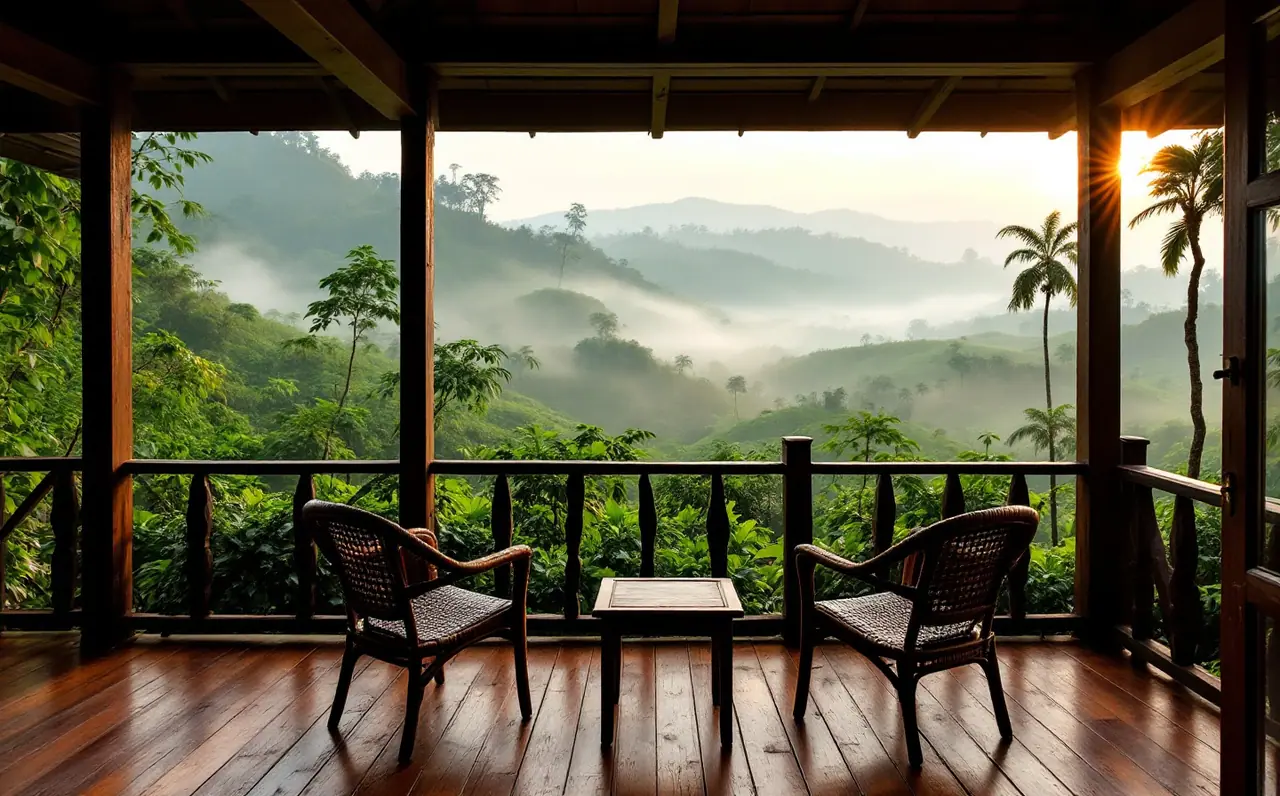
Choosing a homestay in spice country, from Kumily to the estates
Town, estate or forest edge: how to pick a homestay around Thekkady, Kumily and Vandanmedu, what to ask before you pay, and how to be a good guest.
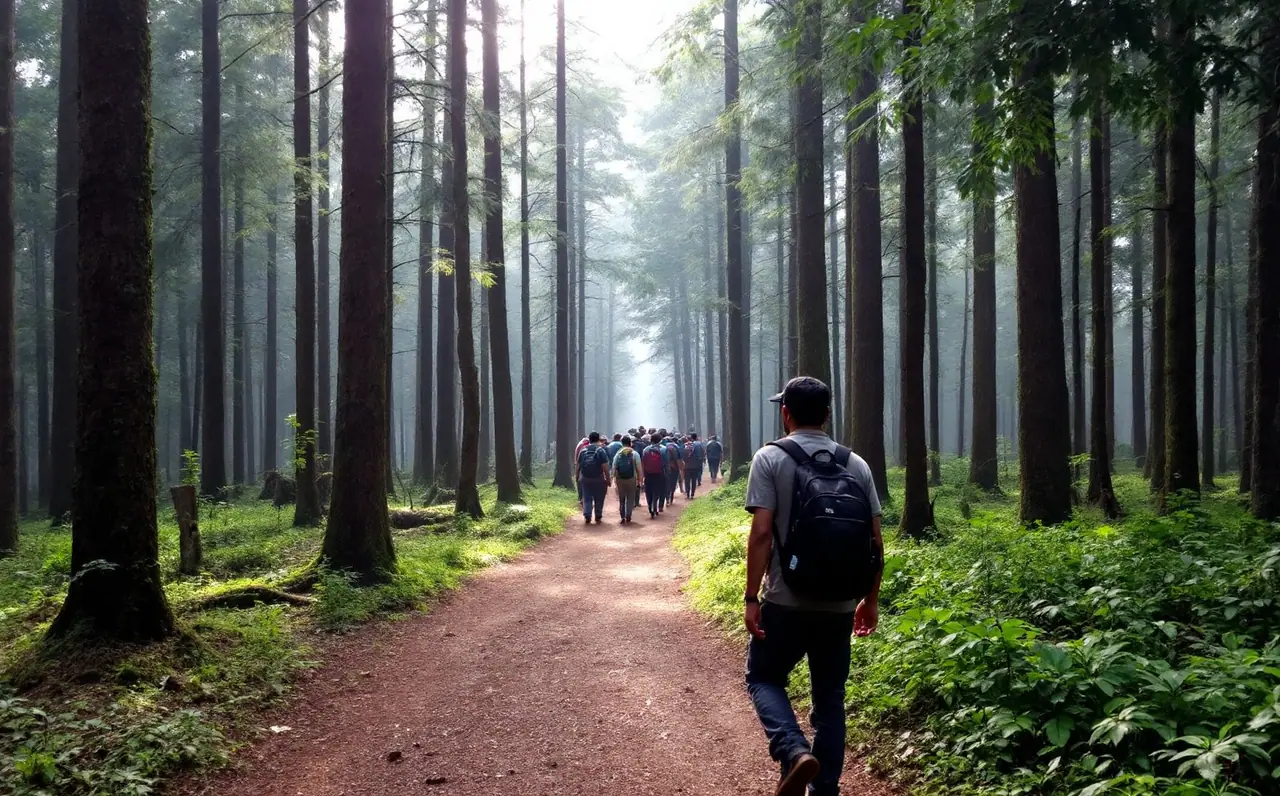
Ethical wildlife viewing in Indian forests
Plain rules of thumb for watching wildlife in Indian forests and reserves: distance, noise, food, night lights, bird calls, geotags and elephants on the road.

What decades of research tell us about Periyar
A plain-language tour of published research on Periyar: its plants, fish, elephants and tigers, the people at the forest edge and the weeds creeping into its edges.