
Cardamom, pepper and tea around Kumily: how to read the plantations
How small cardamom grows under shade trees, why pepper climbs them, where tea takes over, and what to look for and ask on a plantation walk around Kumily.
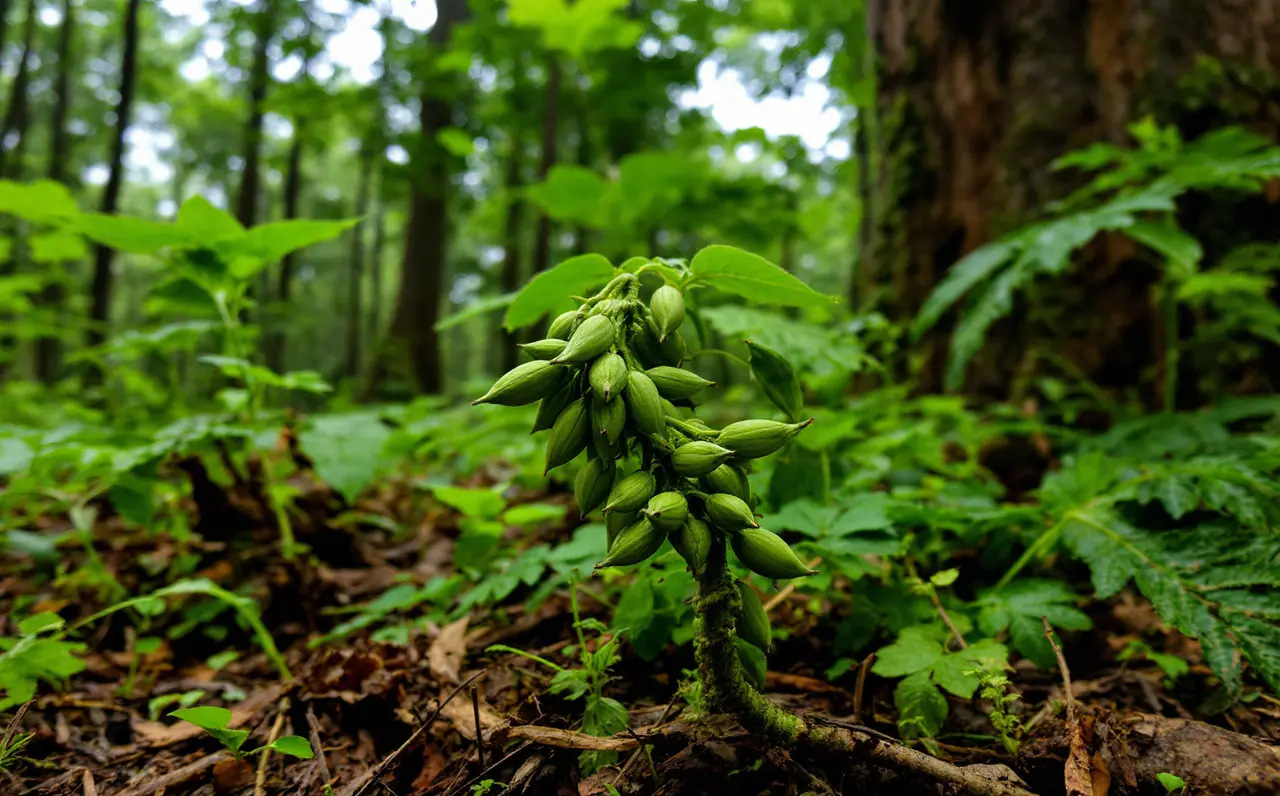
Drive out of Kumily in almost any direction except into the reserve and within ten minutes you are among spices. At first it just looks like forest with a fence around it: tall trees, a dim green understorey, wet leaf litter. Then you start noticing the pattern. The low clumps of long leaves everywhere are cardamom. The vines wrapped round half the tree trunks are pepper. Higher up the ridge, where the air turns cool and the hills open out, the ground is combed into the neat dark rows of tea.
I spent my childhood between Kumily and the estates further up the ridge, and the smell of a cardamom drying shed is still the smell of home to me. This piece is a way of reading what you see from the road and on a plantation walk, so that the hills make more sense, and so that you can buy spices without being fooled.
Small cardamom, the plant under the trees
The green cardamom sold in kitchens round the world is Elettaria cardamomum, a relative of ginger that grows wild in the evergreen forests of the Western Ghats. It is a perennial that spreads from an underground rhizome and sends up leafy shoots that can reach two to four metres. People who see it for the first time expect the pods to hang among the leaves. They do not. The flowering stems come out from the base of the clump, near the ground, and the small pale flowers, white with a streak of violet, turn into three-sided green capsules along those stems.
Growers recognise different types by the way the flowering stems grow. In the Malabar type they trail along the soil, in the Mysore type they stand more upright, and a type known locally as Vazhukka sits between the two. If you crouch at the base of a clump on a walk, you will see which kind you are looking at.
Cardamom likes what the forest gives it: shade, humidity, deep leafy soil and a long wet season. That is why plantations here look like thinned forest rather than open fields. Native trees are kept, or other trees are planted, to hold the canopy over the crop.
The Cardamom Hill Reserve, carefully
You will hear the phrase "CHR" or "Cardamom Hill Reserve" in Idukki, often in heated conversation. The history is genuinely complicated, so here is only what the sources broadly agree on. In the nineteenth century the kingdom of Travancore set aside a large tract of forested hills in what is now Idukki district for cardamom growing, with records of a proclamation in 1822 and a later notification in 1897. Land was given out to growers to cultivate cardamom under the existing forest, and the region came to supply most of India's small cardamom.
Today the legal status of that land is argued over between the Forest and Revenue departments, and the matter has gone before the courts, including a committee appointed by the Supreme Court that described the area as forest. I am not going to tell you who is right. What matters for a visitor is that the trees standing over the cardamom are not decoration: they are the reason this crop and this forest have lasted together, and they are under pressure.
That pressure is real. A 2022 paper by M. Murugan and colleagues in Frontiers in Sustainable Food Systems described how intensive cardamom growing in the Cardamom Hills has gone along with heavy lopping of shade trees to let in more light, a narrowing of the tree species left standing, frequent pesticide spraying and large amounts of firewood burnt for drying. When you walk an estate and the canopy is thin and the trunks are stripped of branches, that is part of what you are seeing.
Harvest rounds, drying and grading
Cardamom does not ripen all at once. Pickers go through the same plants again and again over the season, taking only the capsules that are ready and leaving the rest. Kerala agriculture sources describe picking rounds roughly every two to four weeks, with the busiest months in the autumn after the main monsoon. Capsules picked just at ripeness, not overripe, keep the best green colour after drying.
Fresh capsules go to a curing house the same day or soon after, because colour fades if they wait. Traditionally they were dried slowly on racks over wood-fired heat. Many growers now use electric or fuel driers that hold a steadier temperature. After many hours the capsules shrink, harden and turn the familiar olive green. They are then rubbed to knock off the dry stalks and flower remains, sieved and sorted by size and colour.
The trade uses grade names you will see on market price sheets, such as AGEB (the AG is for Alleppey Green, a name from the old trade through the coast). The bigger and greener the capsule, the higher the grade, broadly speaking. Much of the crop is sold through e-auctions run under the Spices Board, the central government body for the spice trade, at centres in Puttady in Idukki and Bodinayakanur across the border in Tamil Nadu, where licensed auctioneers put lots up for dealers to bid on. You will not see that from the road, but it explains why so many conversations in Kumily turn to "the auction" and how the week went.
Black pepper on the shade trees
Pepper, Piper nigrum, is the other native here, and historically the more famous one. It is a woody climbing vine, and in this country it climbs whatever is available: the shade trees over the cardamom, coconut palms, jackfruit, or tall straight trees planted on purpose as live supports. Look for dark glossy heart-shaped leaves pressed against a trunk, and in season, long dangling spikes of small green berries.
Pepper is picked when the first berries on a spike start to turn red. The whole spike comes off, the berries are stripped and spread in the sun, and as they dry the skin darkens and wrinkles into black pepper. White pepper is the same berry with the outer skin removed. On many small farms you will see pepper drying on mats, tarpaulins or a clean concrete yard in front of the house during the cool dry months.
Growing pepper on the same trees that shade cardamom is a very old trick. It gives a farm two crops from one canopy and spreads the risk when prices or the weather go wrong for one of them.
Tea higher up, coffee here and there
Tea needs cooler, higher and more open ground, so it takes over as the road climbs. On the way to Kumily from Kottayam you pass through the tea country around Peermade and Vandiperiyar, and further north Munnar is almost entirely tea. Much of this planting dates back to estates opened by British planters from the late nineteenth century, which is why you still see old bungalows, factory buildings and lines of workers' houses on the slopes.
A tea garden is a crop you can read from a distance. The bushes are kept pruned to a flat table at about waist height so pluckers can reach the young shoots, the classic "two leaves and a bud". Silver oak trees are often dotted through the rows for light shade and to break the wind.
Coffee is the quiet fourth crop. You find patches of it in mixed farms around Kumily and through Idukki, usually under shade with pepper on the same trees. In flower it smells like jasmine for a few days, and the ripe berries turn red.
A quick field table
| Crop | Where you see it | What to look for | When it is busiest |
|---|---|---|---|
| Small cardamom | Shaded slopes around Kumily, Vandanmedu and the CHR estates | Clumps of long leaves under trees; pods on stems at the base | Picking rounds through the season, busiest in the autumn |
| Black pepper | Climbing shade trees, palms and live posts in mixed farms | Glossy leaves on trunks, hanging spikes of berries | Harvest and sun drying in the cool dry months |
| Tea | Higher, cooler ground towards Peermade, Vandiperiyar and Munnar | Flat-topped bushes in rows, silver oaks among them | Plucking through much of the year, with seasonal peaks |
| Coffee | Mixed shaded farms around Kumily and Idukki | Shiny paired leaves, white flowers, red berries | Flowering after early rain, picking in the dry months |
The long story of the coast
None of this started with plantations. The forests of the Western Ghats were sending pepper and cardamom down to the Kerala coast for thousands of years. Roman writers knew of Muziris, an ancient port near present-day Kodungallur, as a place where ships loaded pepper. Arab, Chinese and Jewish traders worked the coast for centuries. In 1498 Vasco da Gama reached Calicut, now Kozhikode, and the Portuguese, the Dutch and the British spent the next few centuries fighting over the trade through Calicut and Kochi.
The spices themselves came from places like the hills around Kumily, carried down by porters and bullocks, later by roads and trucks. When you stand among pepper vines in a farmyard, you are looking at the same plant that once drew fleets across the Arabian Sea.
What to see and ask on a plantation walk
Many estates and spice gardens around Thekkady offer walks, and families in the area often show visitors their own farms. A good walk leaves you with dirt on your shoes and a head full of questions answered. Some questions worth asking:
- Which shade trees do you keep, and do you lop them? How has the canopy changed?
- Is this the Malabar, Mysore or Vazhukka type of cardamom, and why did you choose it?
- How often do you pick, and who does the picking?
- How do you dry the cardamom, and on what fuel?
- Do you use chemical sprays, and if so how do you protect pickers and streams?
- How do elephants, wild boar or monkeys affect the farm? (Near the forest edge this matters a great deal, as the piece on watching elephants at Periyar explains.)
- Where does your crop go after it leaves here: an auction, a dealer, a cooperative?
Bring a light rain layer and closed shoes: estate paths are steep, muddy and in the wet months home to leeches. Our notes on the best time to visit Thekkady cover how the seasons change a walk.
Buying spices honestly
The roadside spice shop is part of the Kumily experience, and plenty of them are run by honest people selling good produce. A few habits help you get the real thing:
- Look at the colour. Good green cardamom is an even, fresh green, not pale, yellowed or dusty. Some split or uneven pods are normal in lower grades, but a bag of mostly broken ones is not top quality.
- Smell it. Crush one pod between your fingers. Fresh cardamom smells strong and sweet straight away. If you have to search for the scent, it is old.
- Check the seeds. Inside a good pod the seeds are dark brown to black, sticky and aromatic. Pale, dry seeds mean age or early picking.
- Pepper should feel heavy and hard, with a sharp smell when cracked. Very light, hollow berries are a poor buy.
- Buy whole, not ground. Ground spices lose aroma fast and are easier to bulk out.
- Take your time. If a seller pressures you, shows you something special "only today", or will not let you open and smell a sample, walk on. There are many other shops on the same street.
If you want to understand more about how farming families around Thekkady take part in tourism, the guide to community eco-tourism is a good next read, and the spice and tea country section gathers the rest of our pieces on the hills.
The best single thing you can do on a plantation walk is crouch down at the base of a cardamom clump and look for the pods yourself. Once you have found them, you will never drive past these hills seeing just forest again.

Biju Abraham
Biju spent his childhood between Kumily and the cardamom estates further up the ridge. He writes about spice and tea country, hill towns, food and the people who live at the forest edge.
More from the same habitat
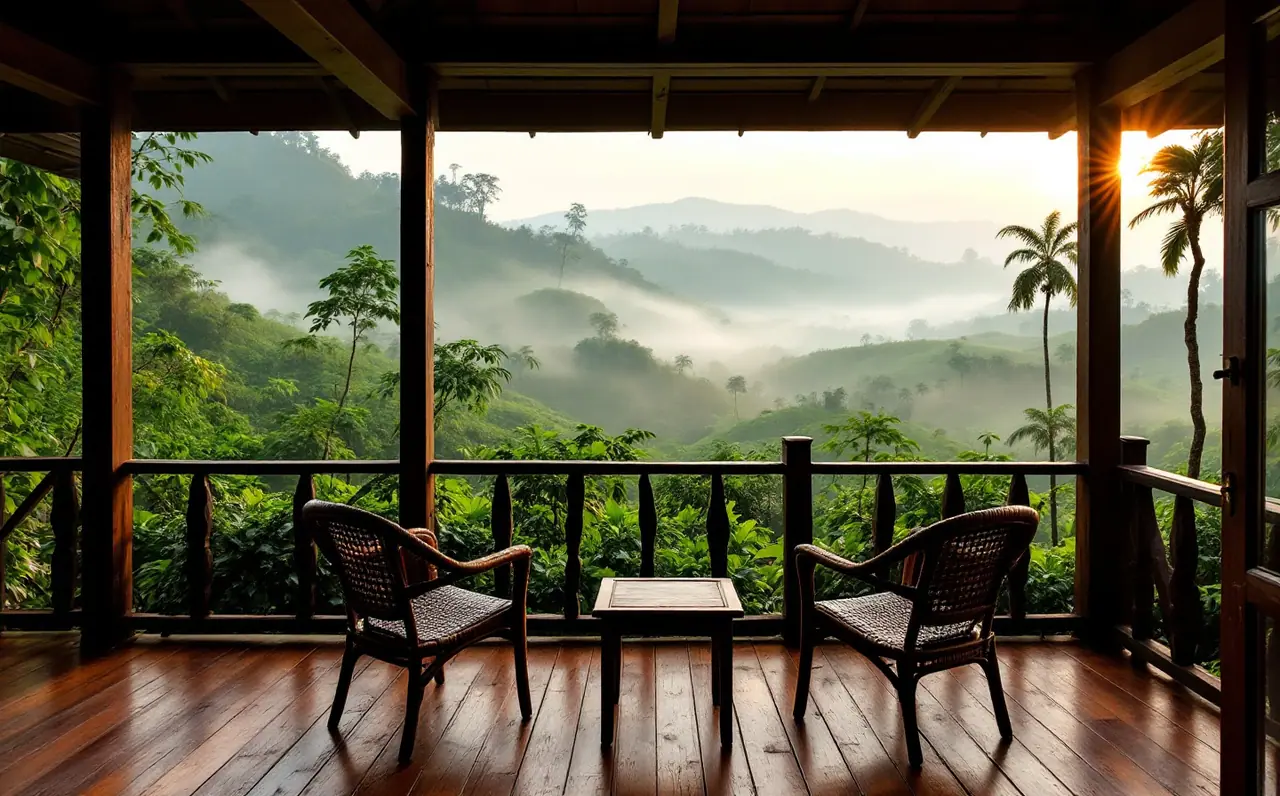
Choosing a homestay in spice country, from Kumily to the estates
Town, estate or forest edge: how to pick a homestay around Thekkady, Kumily and Vandanmedu, what to ask before you pay, and how to be a good guest.
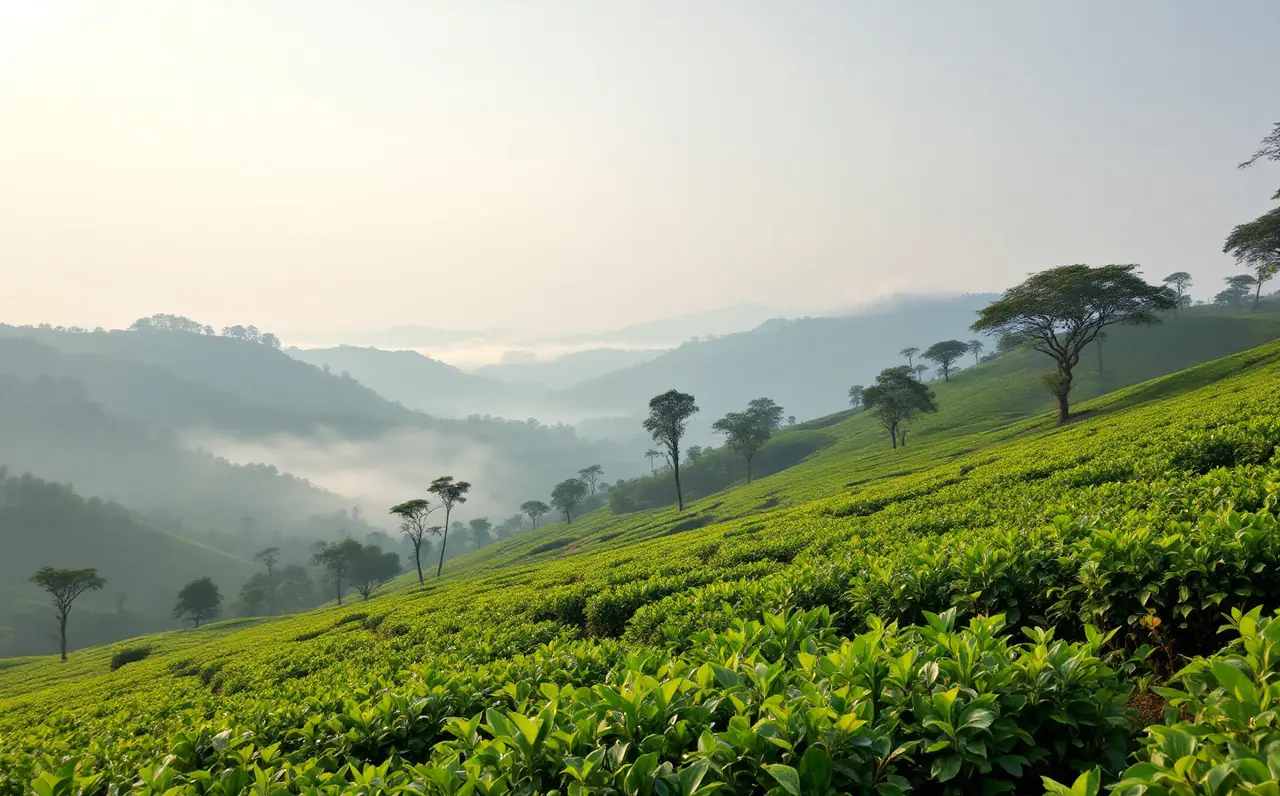
Munnar or Vagamon: choosing a hill-town side trip from Thekkady
Tea slopes and Nilgiri tahr in busy Munnar, or pine woods and open meadows in quieter Vagamon. How to choose, with two-day plans and a side-by-side table.